A voice crying in the wilderness
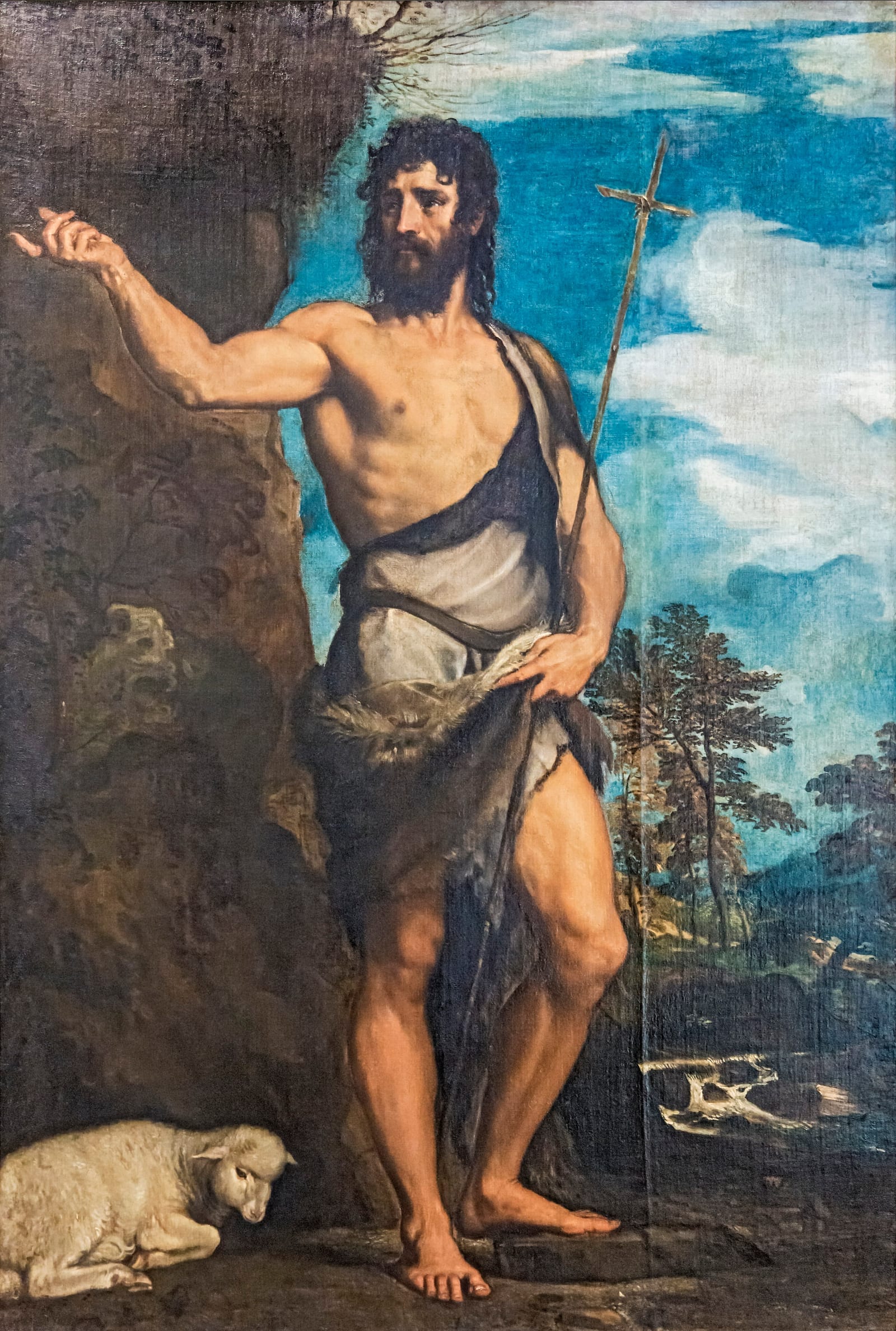
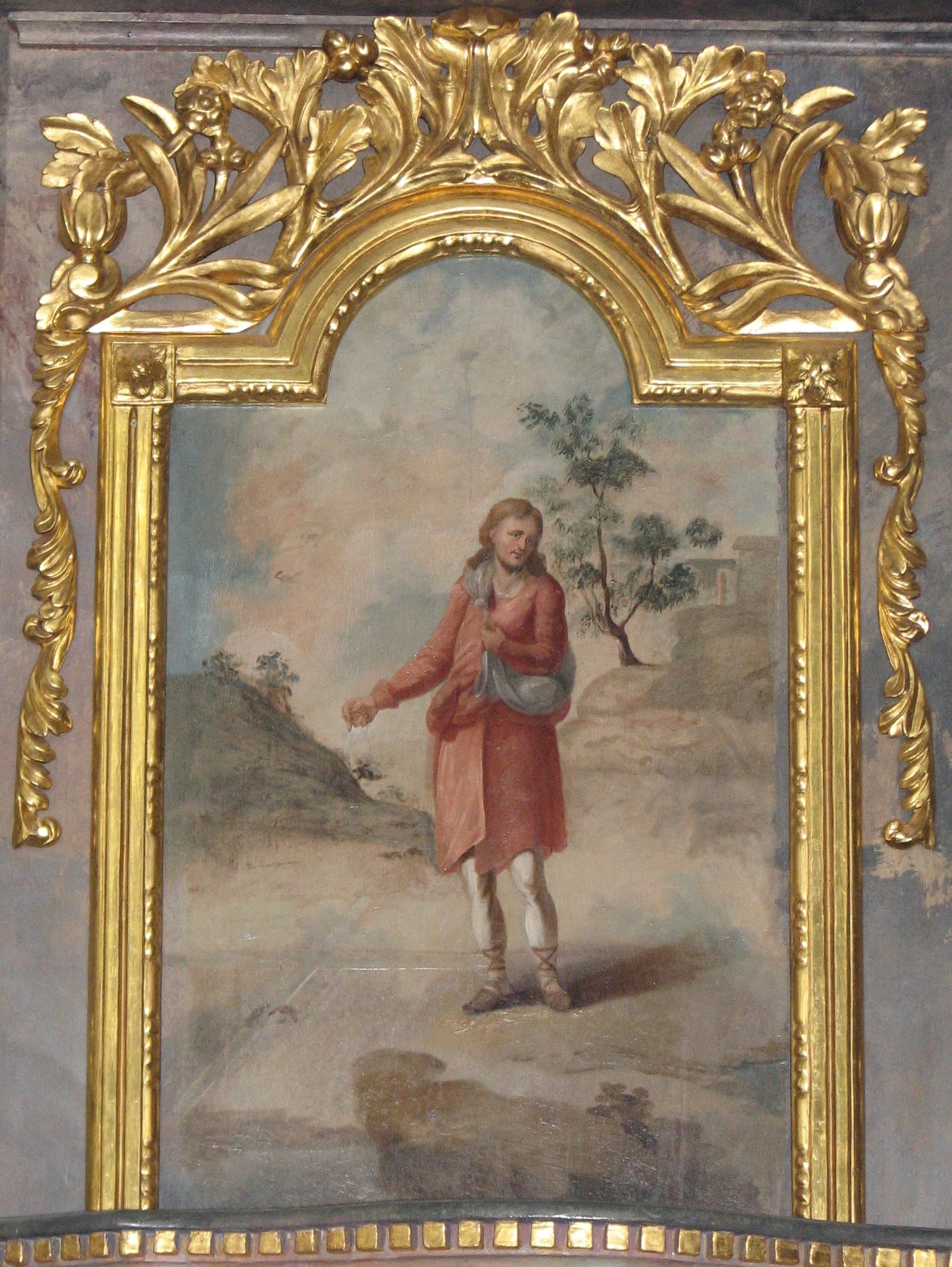
Isaiah and Malachi promised a herald who would prepare the Lord's way; all four Gospels identify him as John the Baptist preaching at the Jordan.
Foretold
Fulfilled
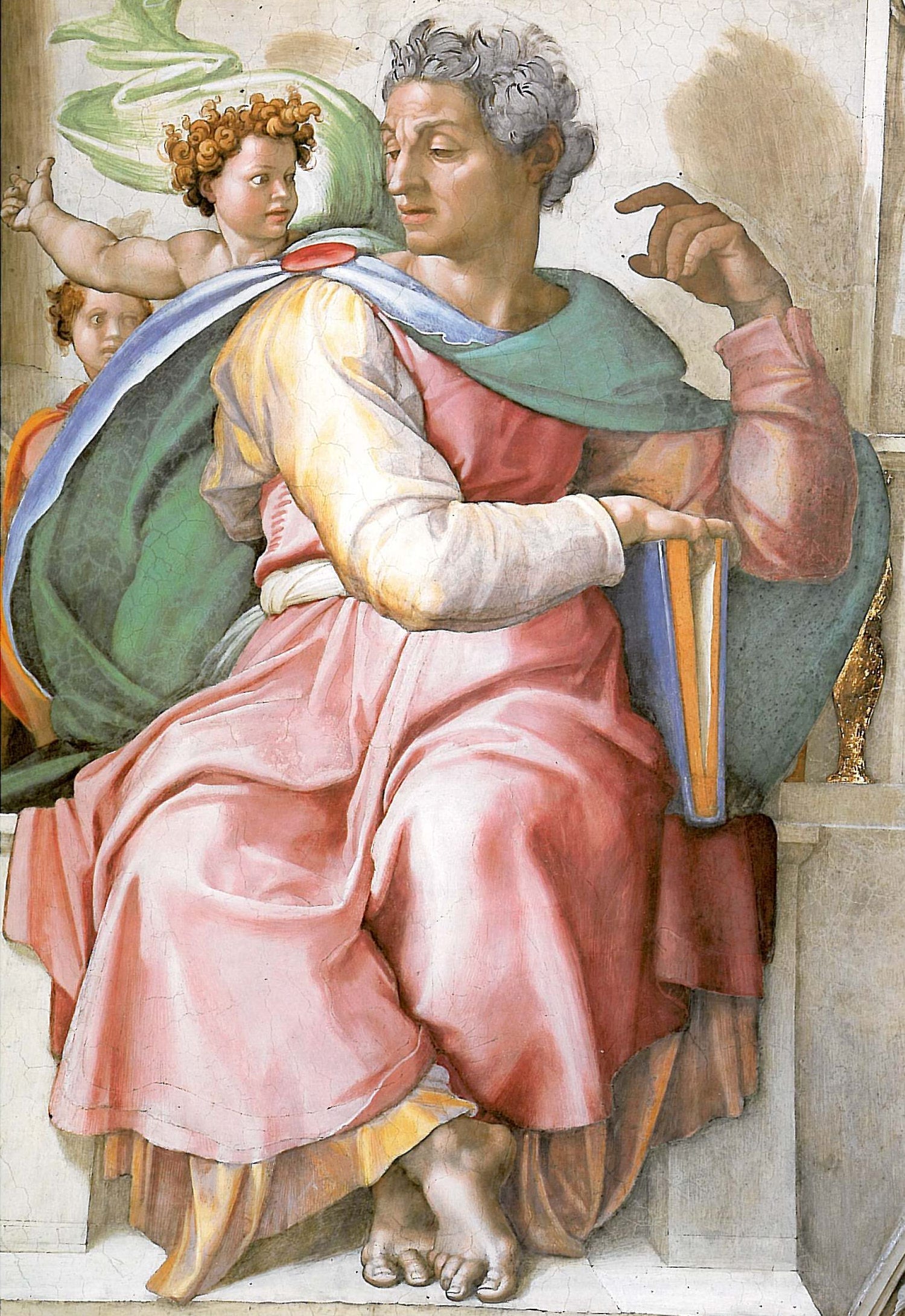
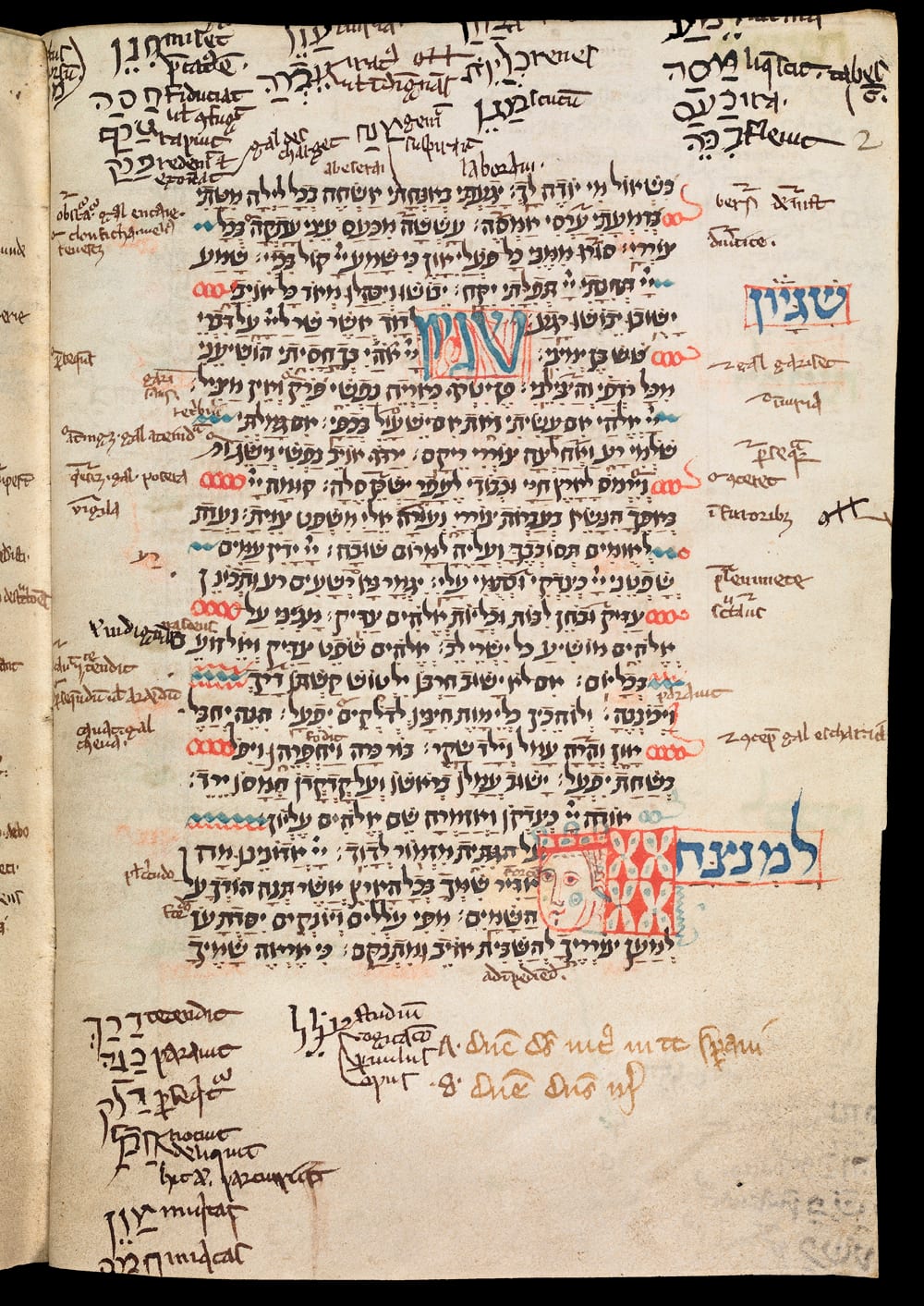
A forerunner's voice, a great light in Galilee, the eyes of the blind opened, the mouth opened in parables, the king on a donkey — Isaiah described the ministry in detail, and Jesus read Isaiah aloud in Nazareth and said: this day it is fulfilled.
Isaiah and Malachi promised a herald who would prepare the Lord's way; all four Gospels identify him as John the Baptist preaching at the Jordan.
Malachi closed the Old Testament by promising Elijah before the day of the Lord; Jesus declared that John the Baptist was the Elijah who was to come.
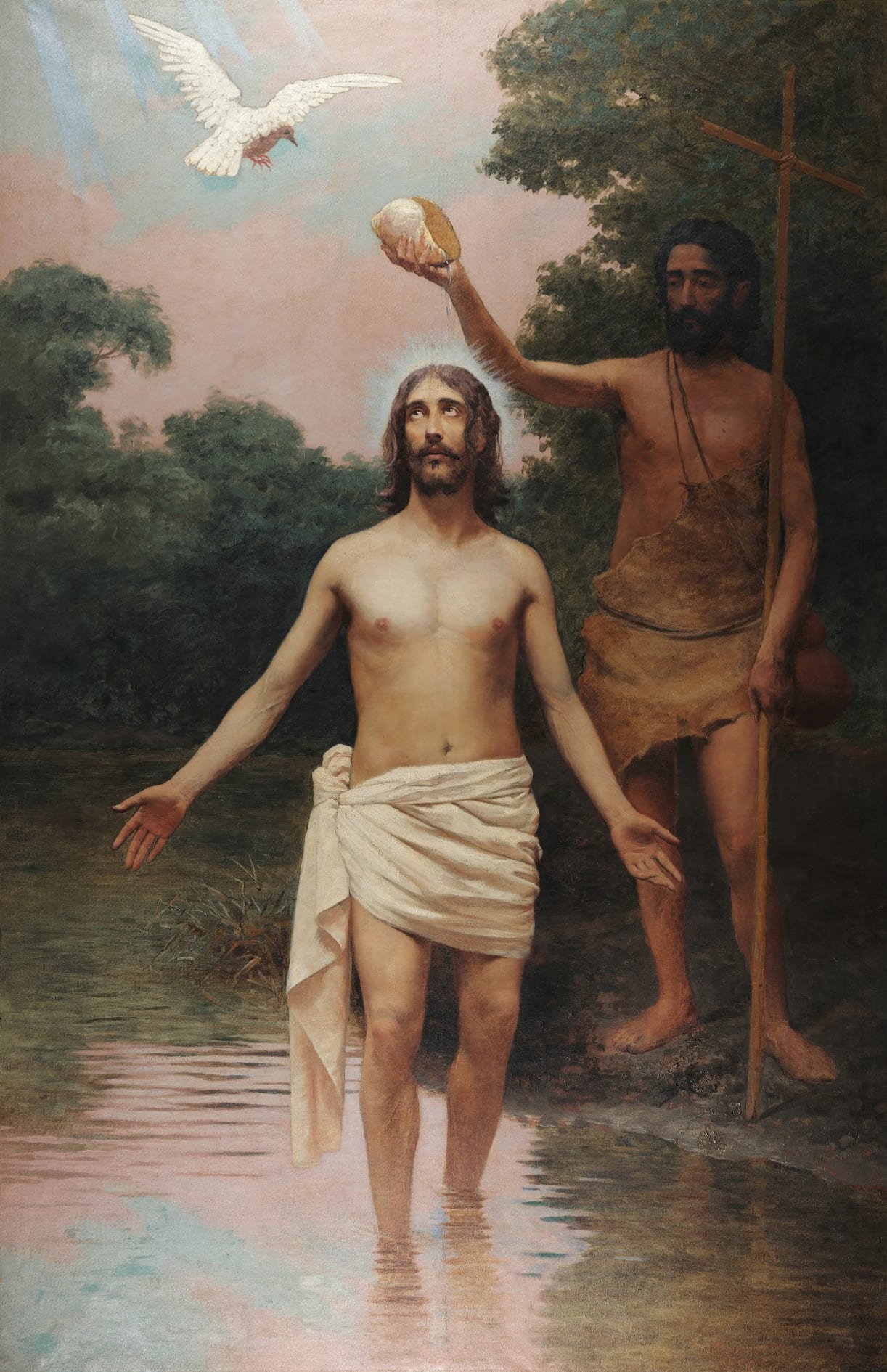
The voice at the Jordan fuses the royal decree of Psalm 2 with the Servant of Isaiah 42, as the Spirit foretold by Isaiah descends on Jesus.
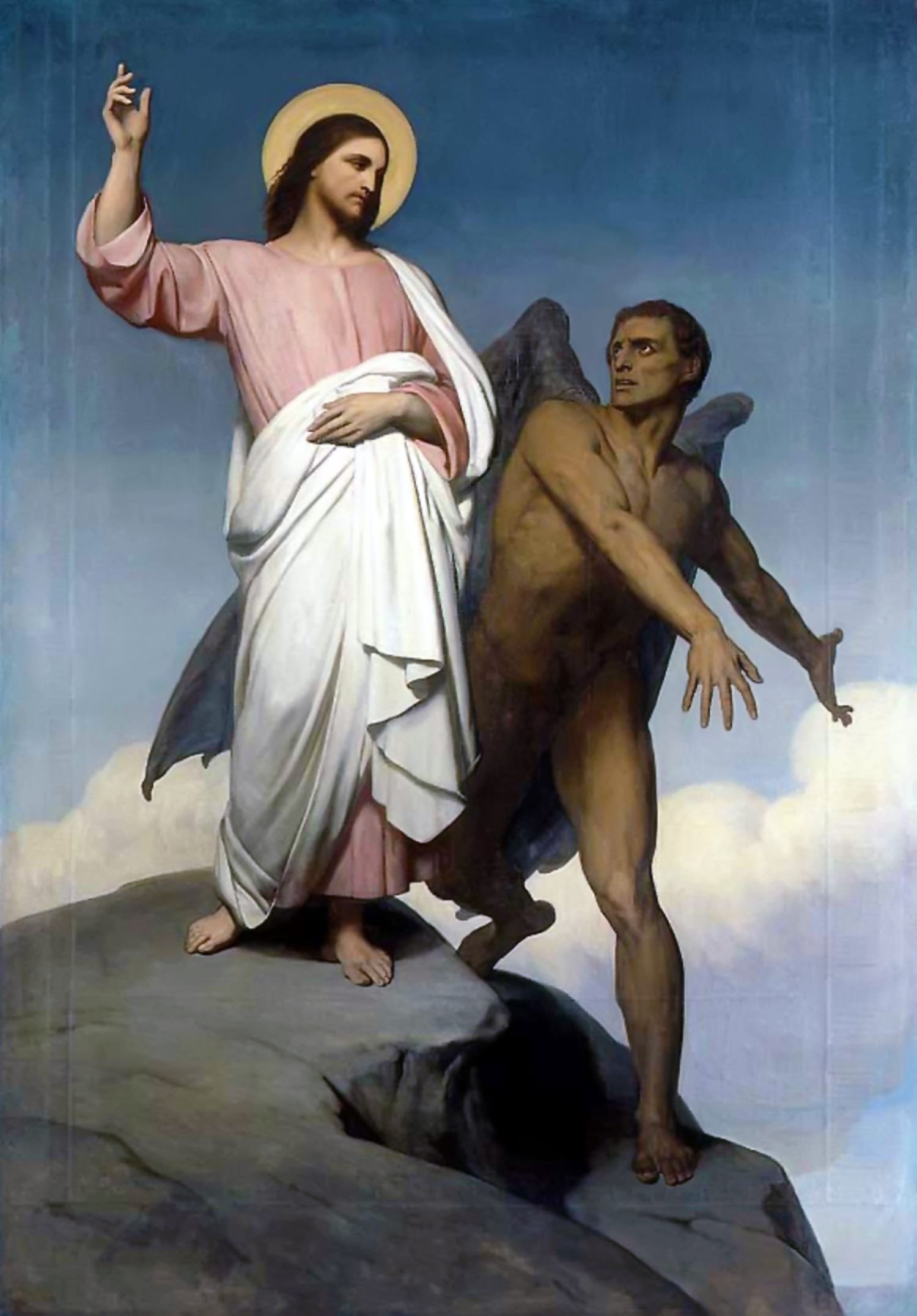
Like Israel's forty years, Moses' and Elijah's forty days, Jesus fasts forty days and answers the tempter from Deuteronomy, succeeding where Israel failed.
John the Baptist opens the public ministry by naming Jesus the lamb of Isaiah 53 and of the Passover, who takes away the sin of the world.
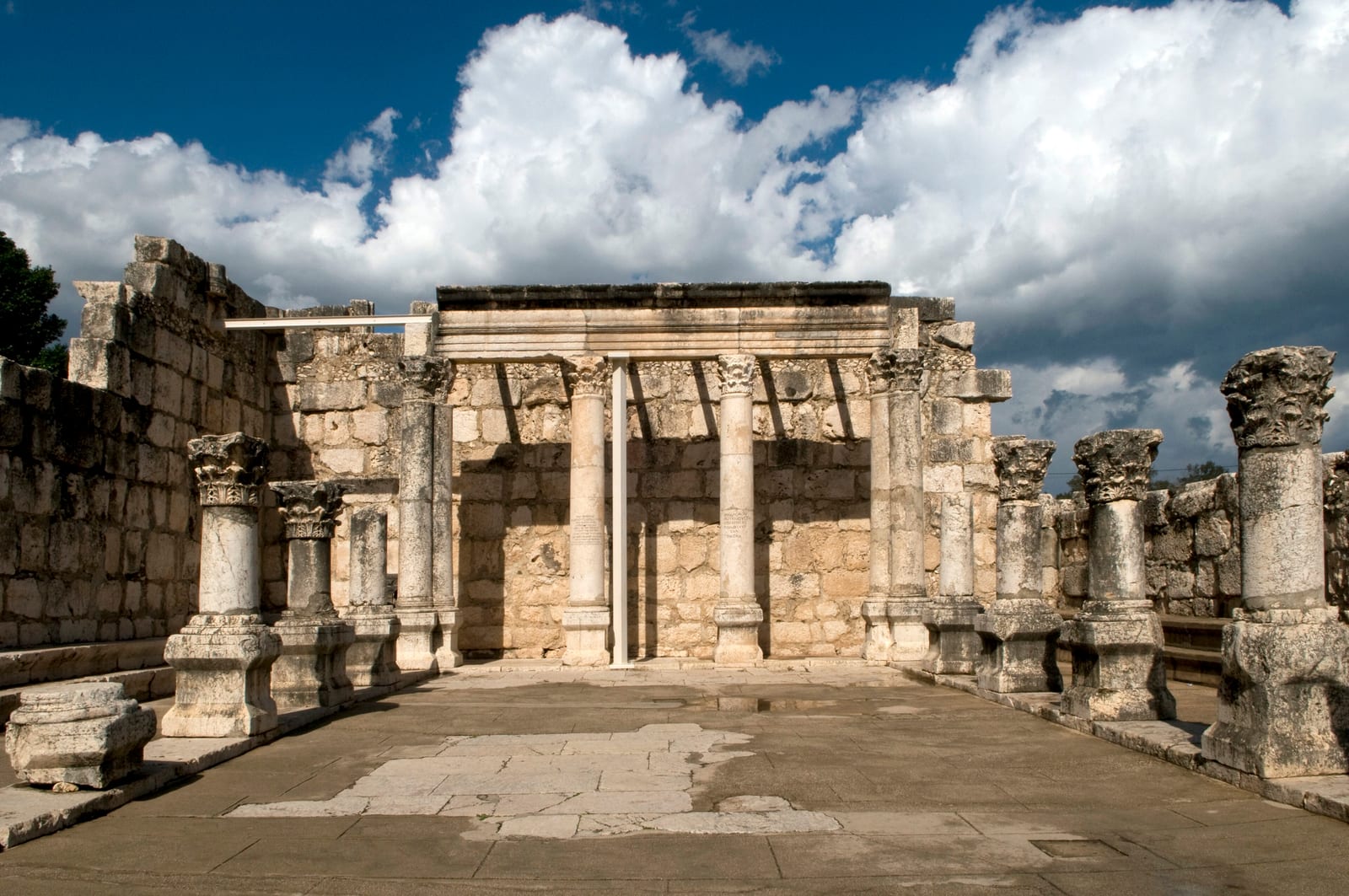
Isaiah promised that the despised lands of Zebulun and Naphtali would see a great light; Matthew cites it when Jesus settles in Capernaum to begin preaching.
Isaiah foresaw the nations seeking the root of Jesse and streaming from east and west; Greeks seek Jesus, he promises to draw all men, and Gentiles sit down with Abraham.
At Nazareth Jesus read Isaiah's Jubilee proclamation of good tidings to the poor and liberty to captives, closed the scroll, and said it was fulfilled in their hearing.
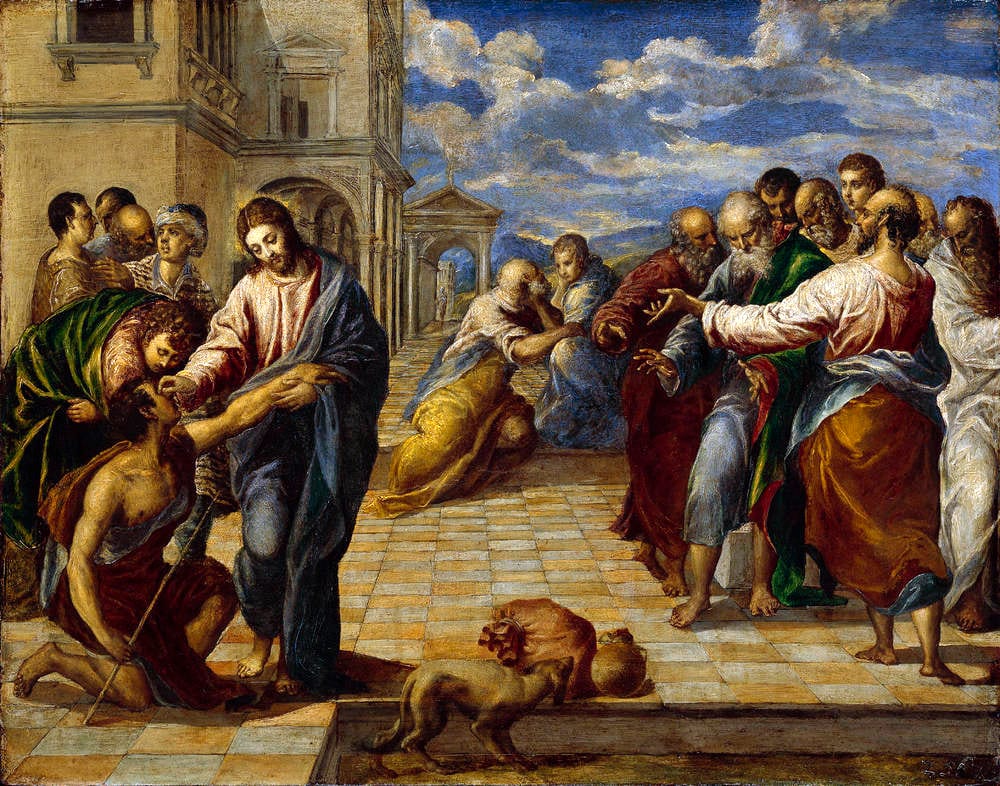
Isaiah described the messianic age by the blind seeing, the deaf hearing, the lame leaping, and the dead rising; Jesus answered John's disciples by pointing to exactly these works.
Matthew reads the Suffering Servant's bearing of griefs as fulfilled in the evening of healings at Capernaum.
Jesus raises a widow's son, feeds a multitude with barley loaves, and cleanses lepers, repeating and surpassing the signs of Elijah and Elisha that he himself invoked at Nazareth.
The manna given in the wilderness, celebrated in Psalm 78, is claimed by Jesus as a type of himself, the true bread come down from heaven.
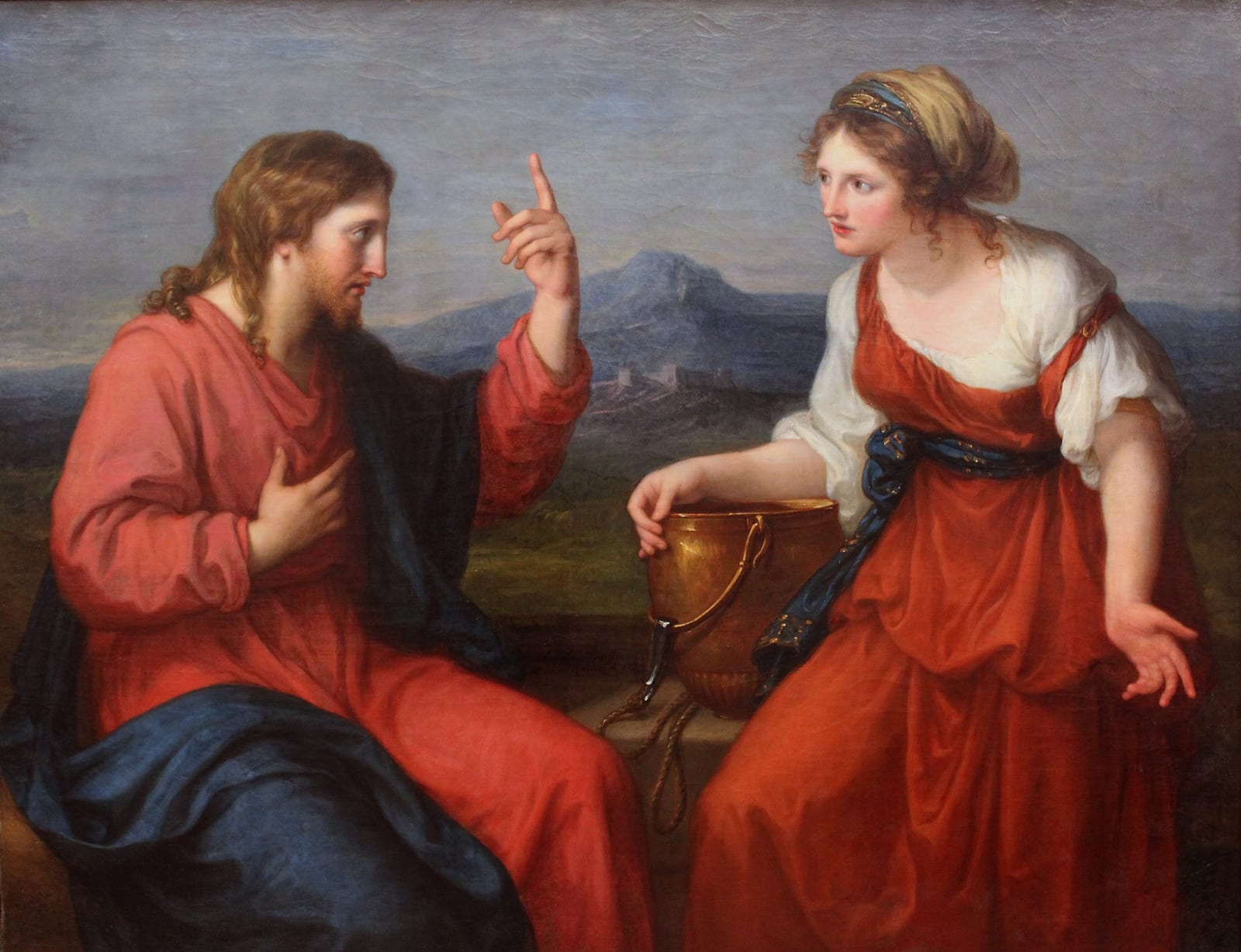
The rock struck in the desert and the prophets' promise of living water flowing from Jerusalem are fulfilled in the water Jesus offers at Jacob's well and at Tabernacles.
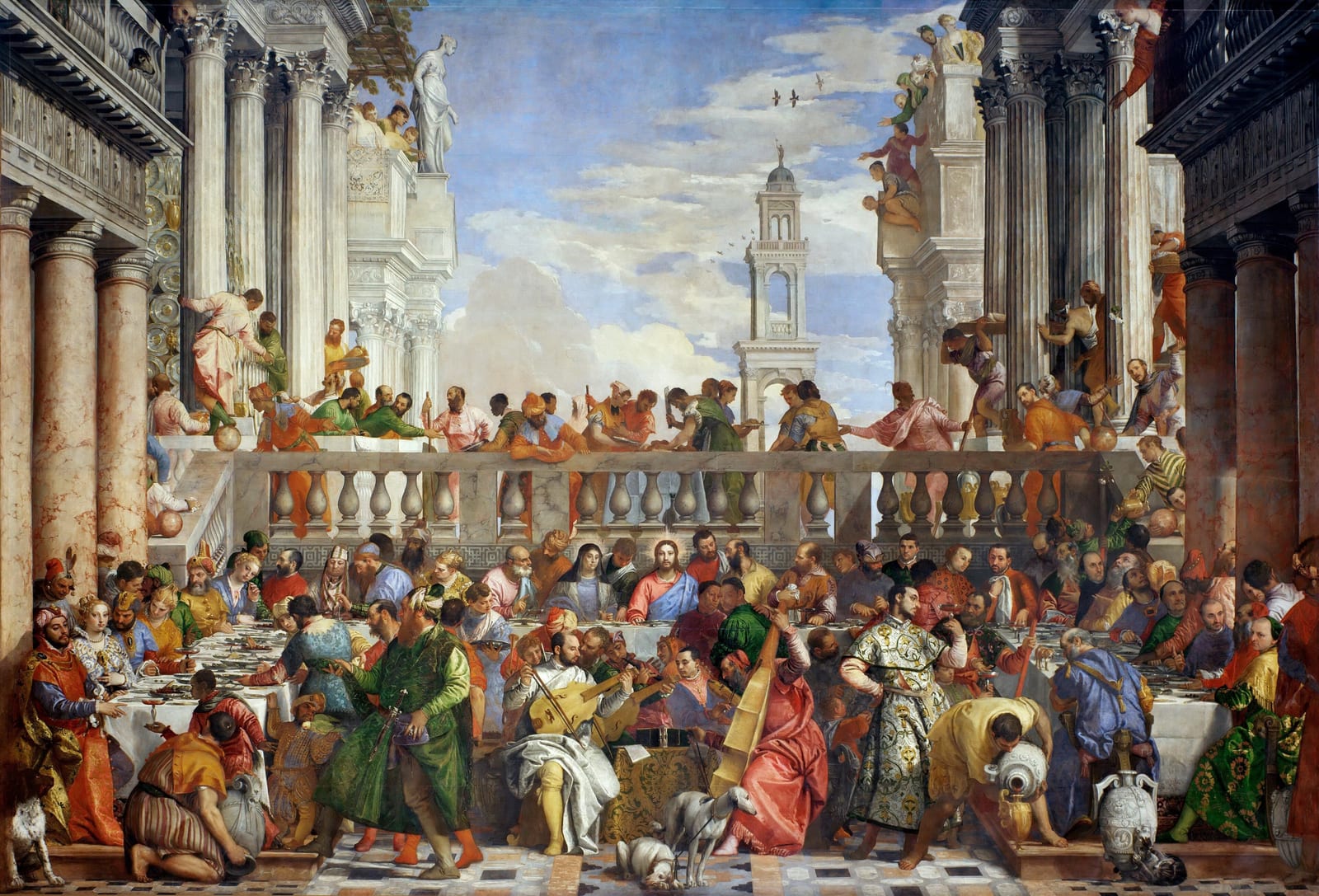
The prophets pictured the messianic age as an abundance of wine; the first sign at Cana, six jars of the best wine, is read by the Church as that promise beginning.
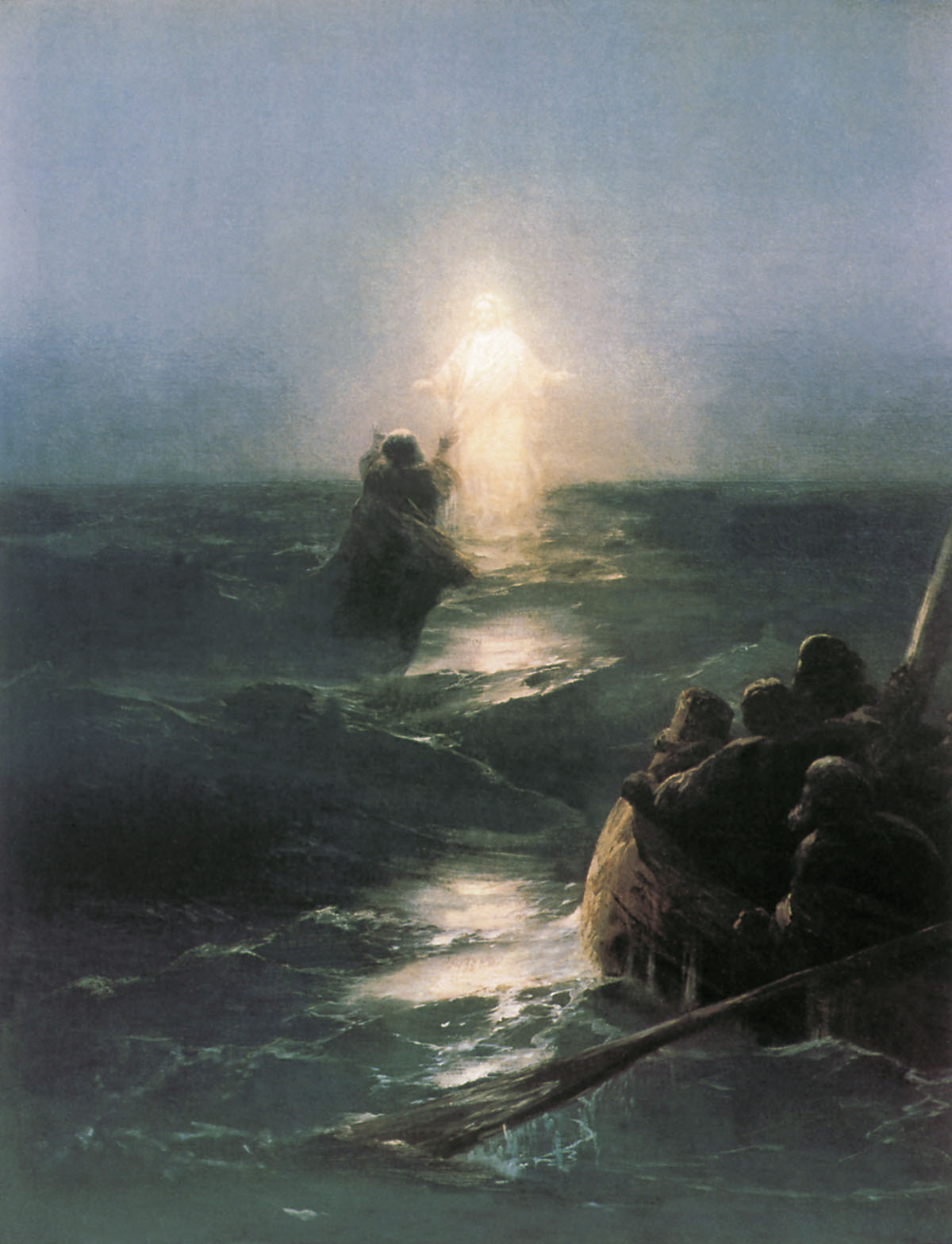
The Psalms and Job reserve to God alone the stilling of storms and walking on the sea; Jesus calms the tempest and walks on the lake, and the disciples ask what manner of man this is.
The prophets said the Lord himself would blot out sins in the days of the new covenant; Jesus forgives the paralytic and the penitent woman, and the scribes recognize the divine claim.
Isaiah promised the captives of the mighty would be rescued; Jesus explains his exorcisms as binding the strong man and plundering his house by the finger of God.
The Servant was given a tongue to sustain the weary, and grace was poured on the royal lips; hearers marvel at Jesus' gracious words and he invites the weary to find rest.
Asaph's psalm promised to utter things hidden from the foundation of the world; Matthew sees it fulfilled in Jesus' habit of teaching the crowds only in parables.
Isaiah's commission foretold a people who would hear without understanding; Jesus cites it for the purpose of parables and John for the unbelief that met his signs.
Jesus tells the Pharisees that Isaiah prophesied of them: worship by precepts of men while the heart is far from God.
Isaiah's promise that all Zion's children would be taught by the Lord is claimed by Jesus in the Bread of Life discourse for those the Father draws to him.
Isaiah's Branch would discern beyond appearances; Jesus knows what is in man, reads the thoughts of scribes, and tells the Samaritan woman her history.
Hosea and Isaiah called the Lord Israel's bridegroom; Jesus takes the title for himself and John the Baptist calls himself the bridegroom's friend.
Jesus quotes Micah's picture of households divided to describe the sword his coming brings; rabbinic tradition read the same verse of the messianic woes.
Ezekiel promised that God would shepherd his scattered sheep through one Davidic shepherd; Jesus calls himself the good shepherd and pities the crowds as sheep without a shepherd.
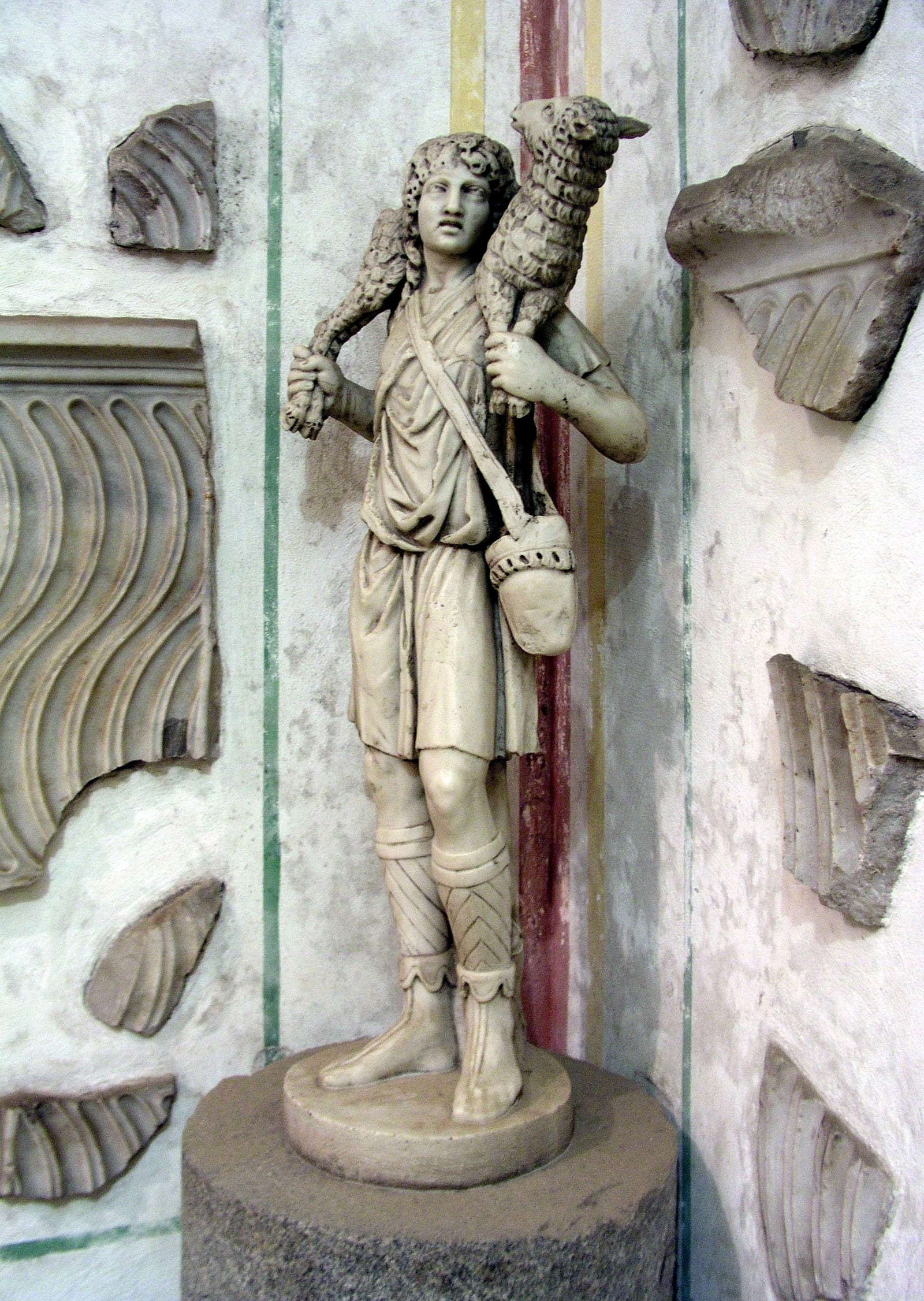
Ezekiel's shepherd-God would seek the lost and bring back the driven away; Jesus defines his mission in the same words and tells the parable of the lost sheep.
Isaiah's Servant would neither strive nor cry in the streets; Matthew cites the song when Jesus heals the crowds and charges them to keep silent.
Jesus offers his generation one sign: as Jonah was three days in the fish and preached repentance to Nineveh, so the Son of Man will be three days in the earth.
Psalm 110 and Zechariah foresaw a priest after the order of Melchizedek who would also sit and rule; Hebrews applies the oath to Jesus, and he affirms his kingship while refusing an earthly crown.
On the mountain Moses and Elijah appear, Jesus' face shines as Moses' once did, and the Father's voice repeats Psalm 2 and Isaiah 42 with Deuteronomy's command to hear the prophet.
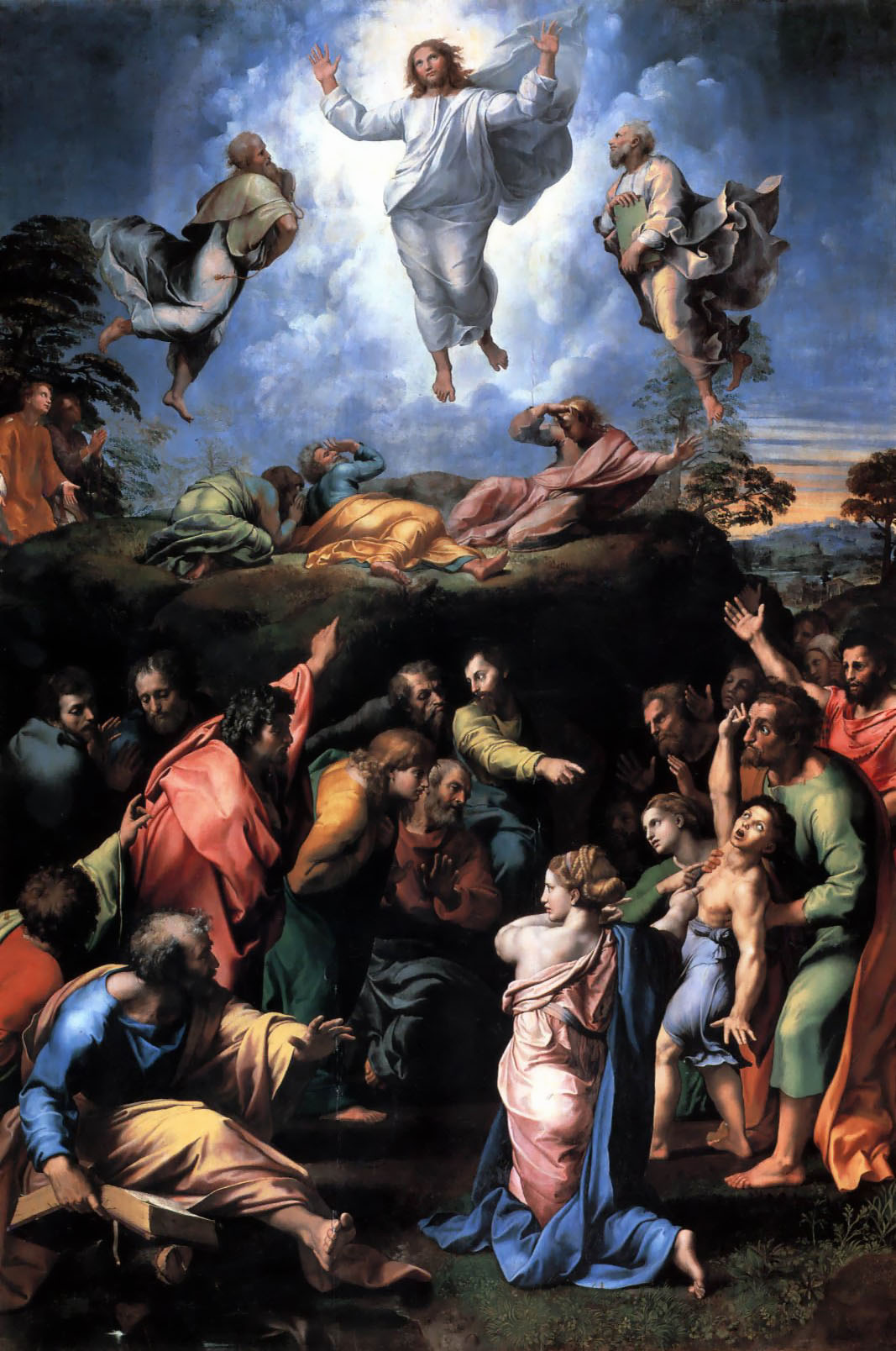
The bronze serpent raised in the wilderness to heal all who looked on it is named by Jesus as a type of the Son of Man lifted up so that believers may have eternal life.
Jesus promises Nathanael the sight of heaven opened and angels ascending and descending on the Son of Man, making himself the ladder Jacob saw at Bethel.
Ezekiel promised sprinkled clean water and a new spirit put within; Jesus tells Nicodemus, a master in Israel, that one must be born of water and the Spirit.
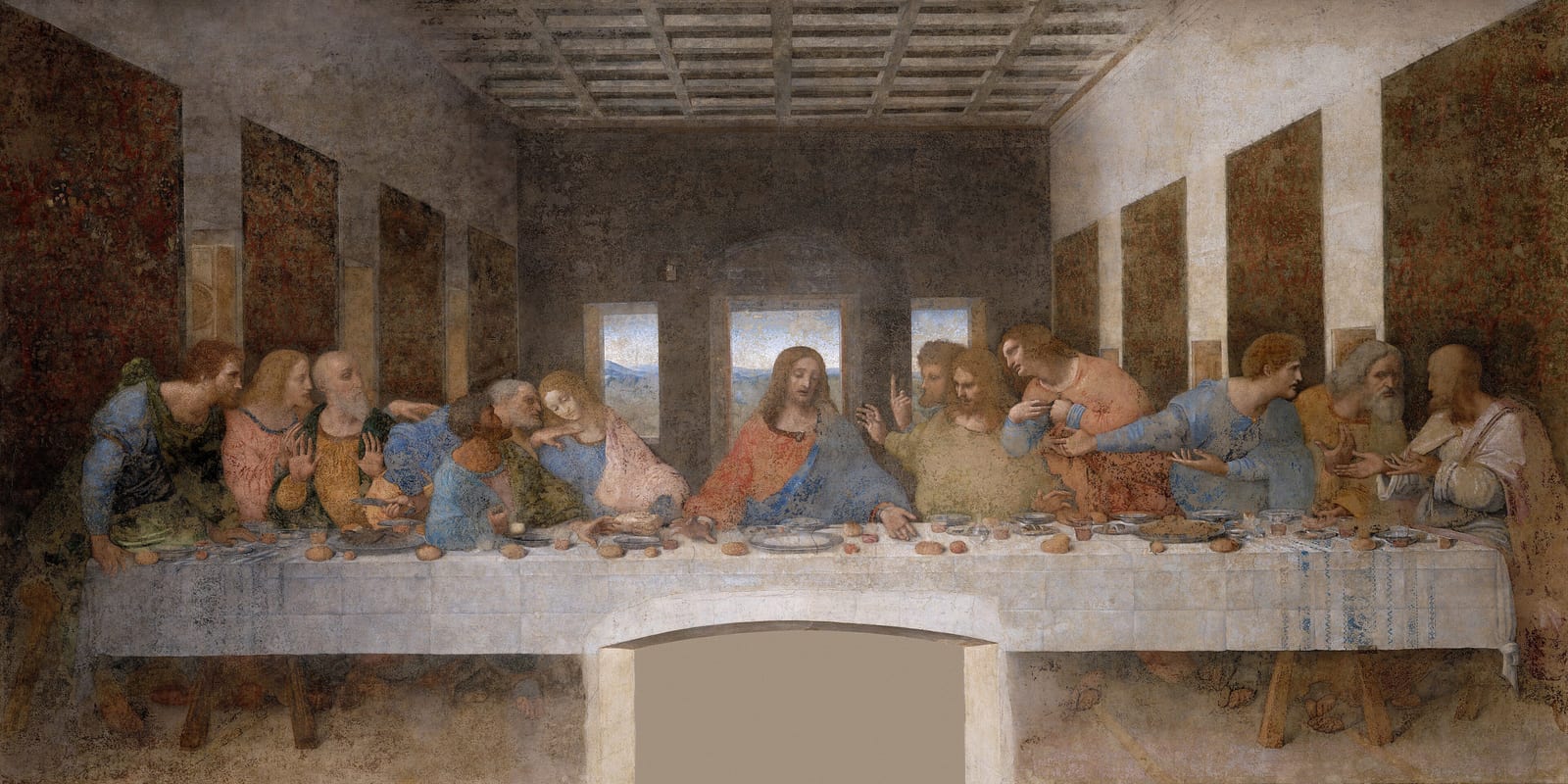
Jeremiah alone in the Old Testament speaks of a new covenant written on hearts; Jesus names the chalice of the Last Supper 'the new covenant in my blood'.
The Servant would be despised and the psalmist a stranger to his mother's children; Jesus came to his own and his own received him not, his brothers disbelieved, and Nazareth tried to throw him down.
Isaiah asked who would believe the message about the Servant; John cites the question to explain why so many signs produced so little faith.
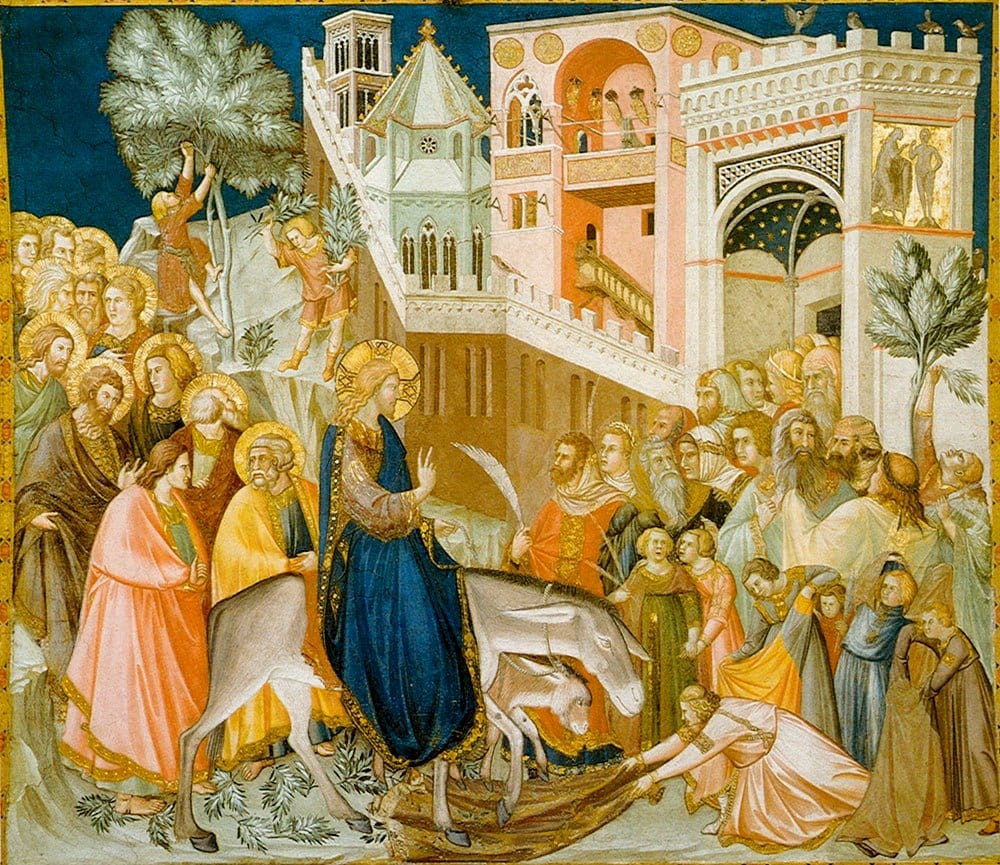
Zechariah promised Zion a just king coming humbly on a donkey's colt; Jesus deliberately enters Jerusalem that way, and Matthew and John cite the verse.
The Hallel's welcome of the pilgrim-king is shouted by the crowds on Palm Sunday, and Jesus tells Jerusalem it will not see him again until it says these very words.
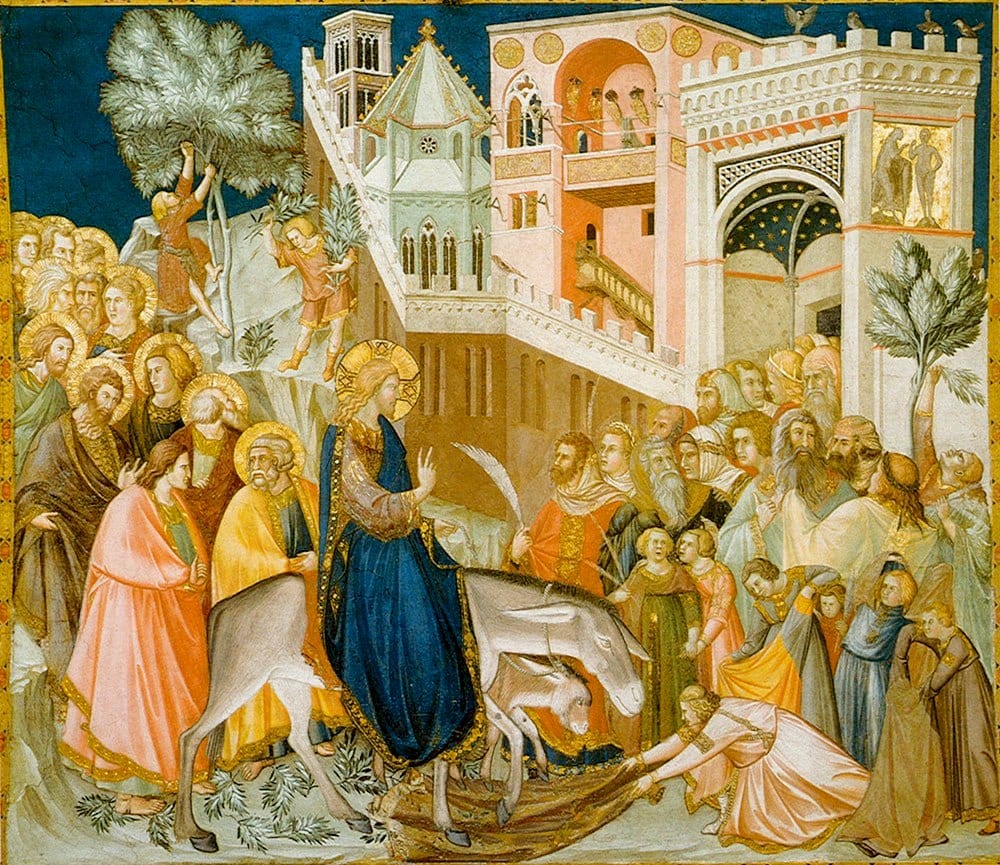
When the chief priests object to children crying Hosanna in the temple, Jesus answers them with Psalm 8.
Driving the traders from the temple, Jesus' disciples remember the psalmist's zeal for God's house; Paul applies the verse's second half to Christ bearing reproaches.
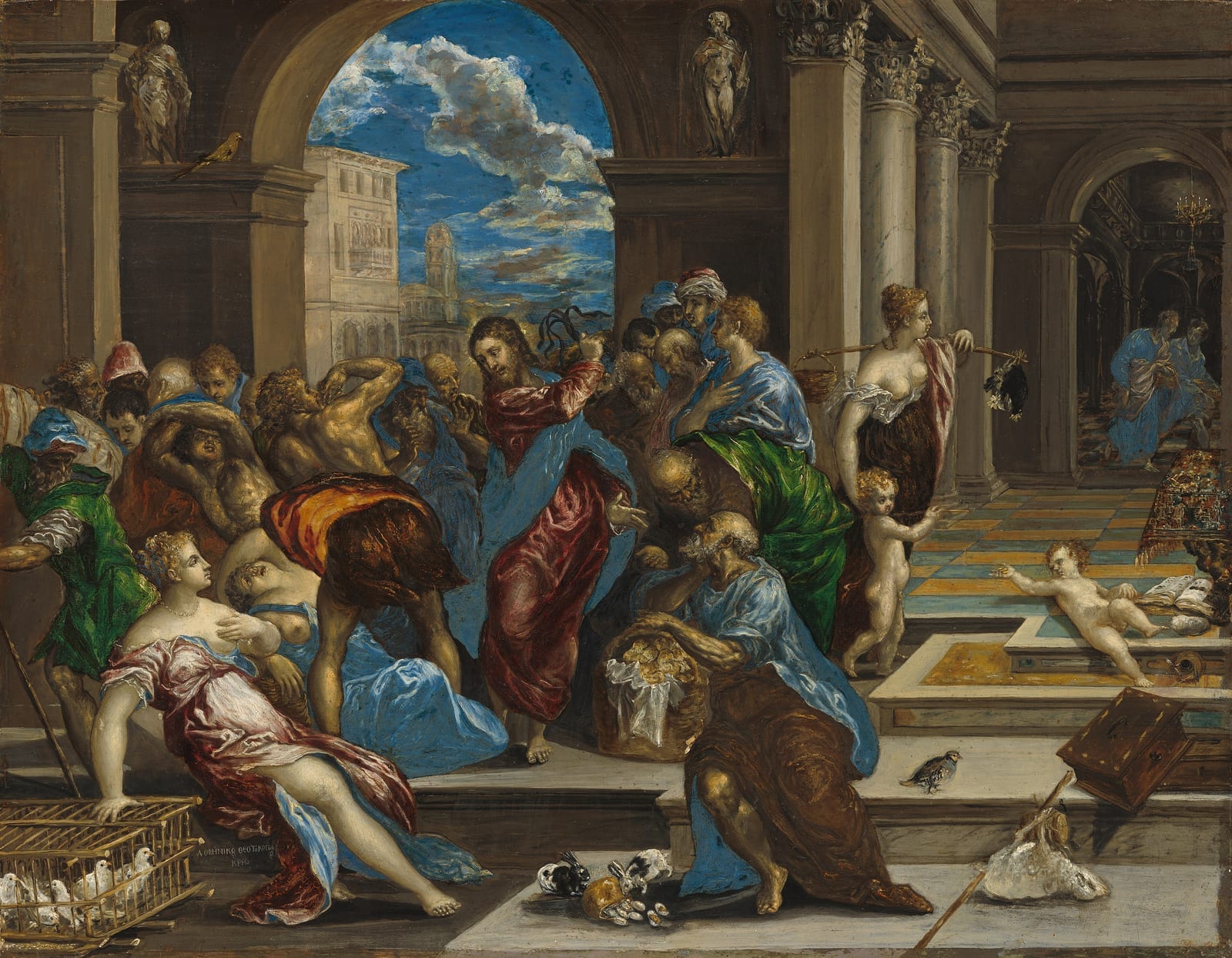
Malachi foretold the Lord coming to purify his temple, and Isaiah and Jeremiah supply the very words Jesus uses there: a house of prayer for all nations made a den of thieves.
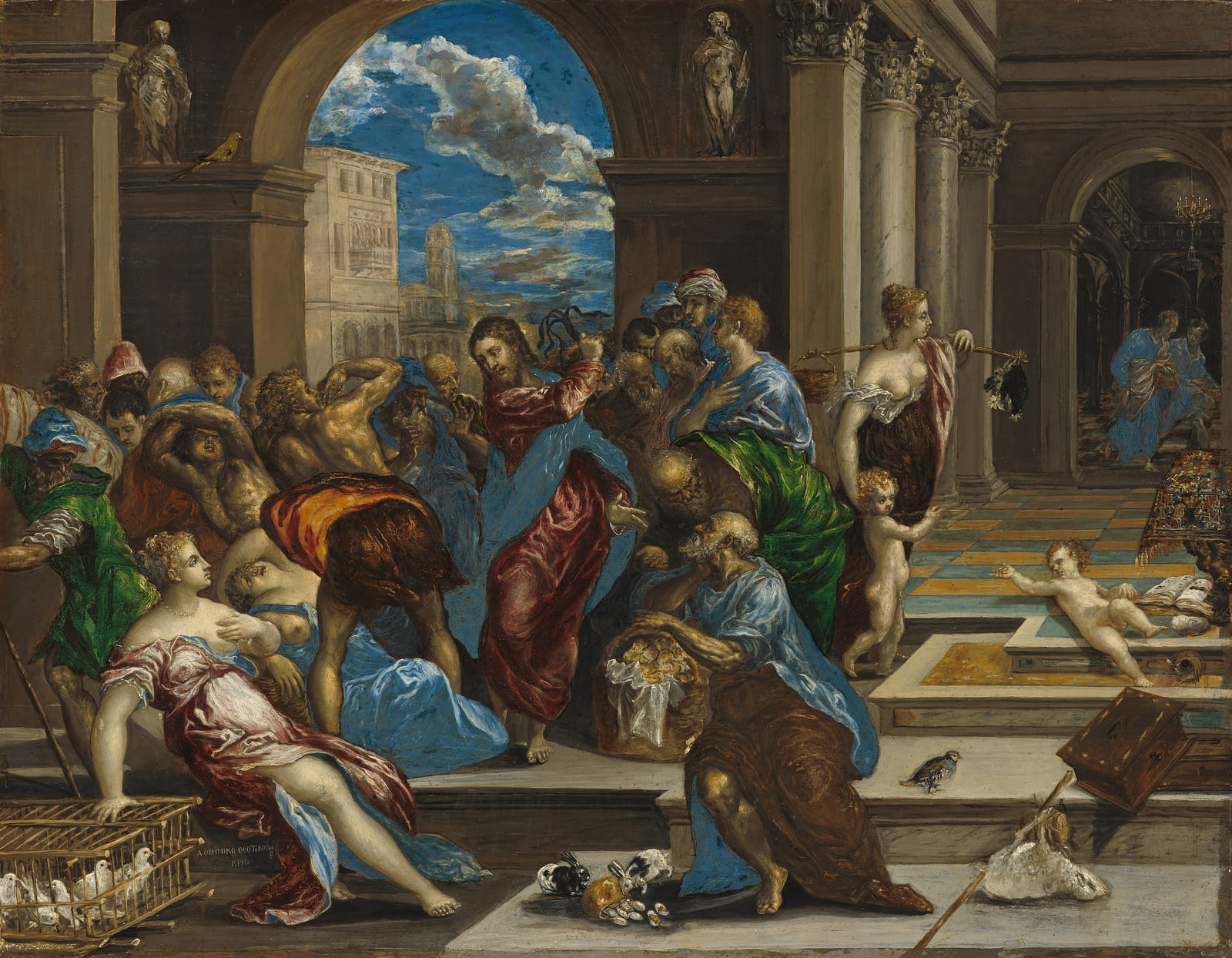
Psalm 118's rejected stone become the head of the corner is applied by Jesus to himself after the parable of the vineyard, and by Peter before the Sanhedrin.
Isaiah spoke of a stone laid in Zion that would be both sure foundation and stone of stumbling, and Daniel of a stone that shatters kingdoms; the apostles and Jesus apply all three to him.
The prophets pictured Israel as a fig tree found without fruit; Jesus' cursing of the leafy, fruitless fig tree on the way to the temple enacts their judgment.