The seed of the woman crushes the serpent
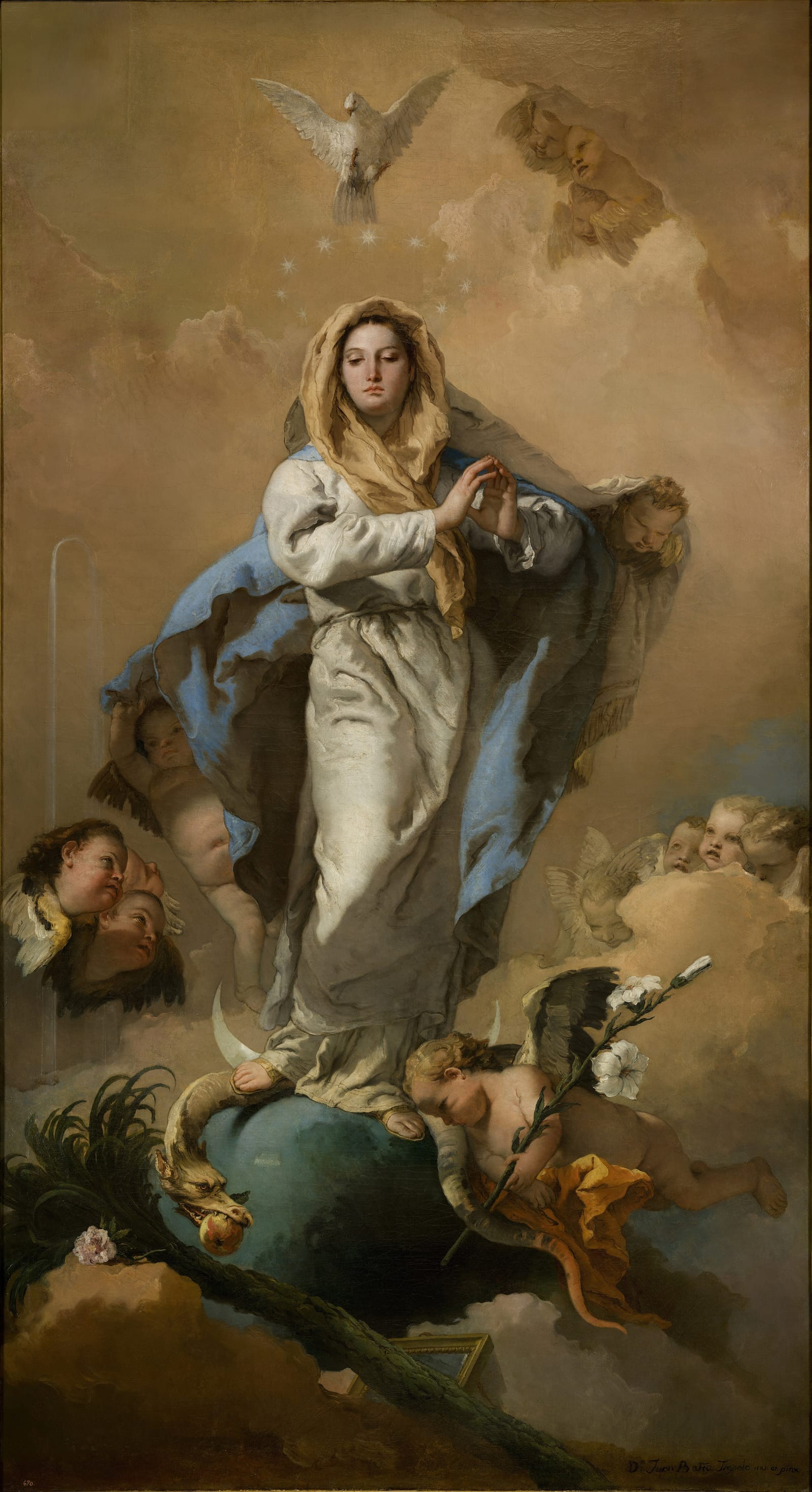
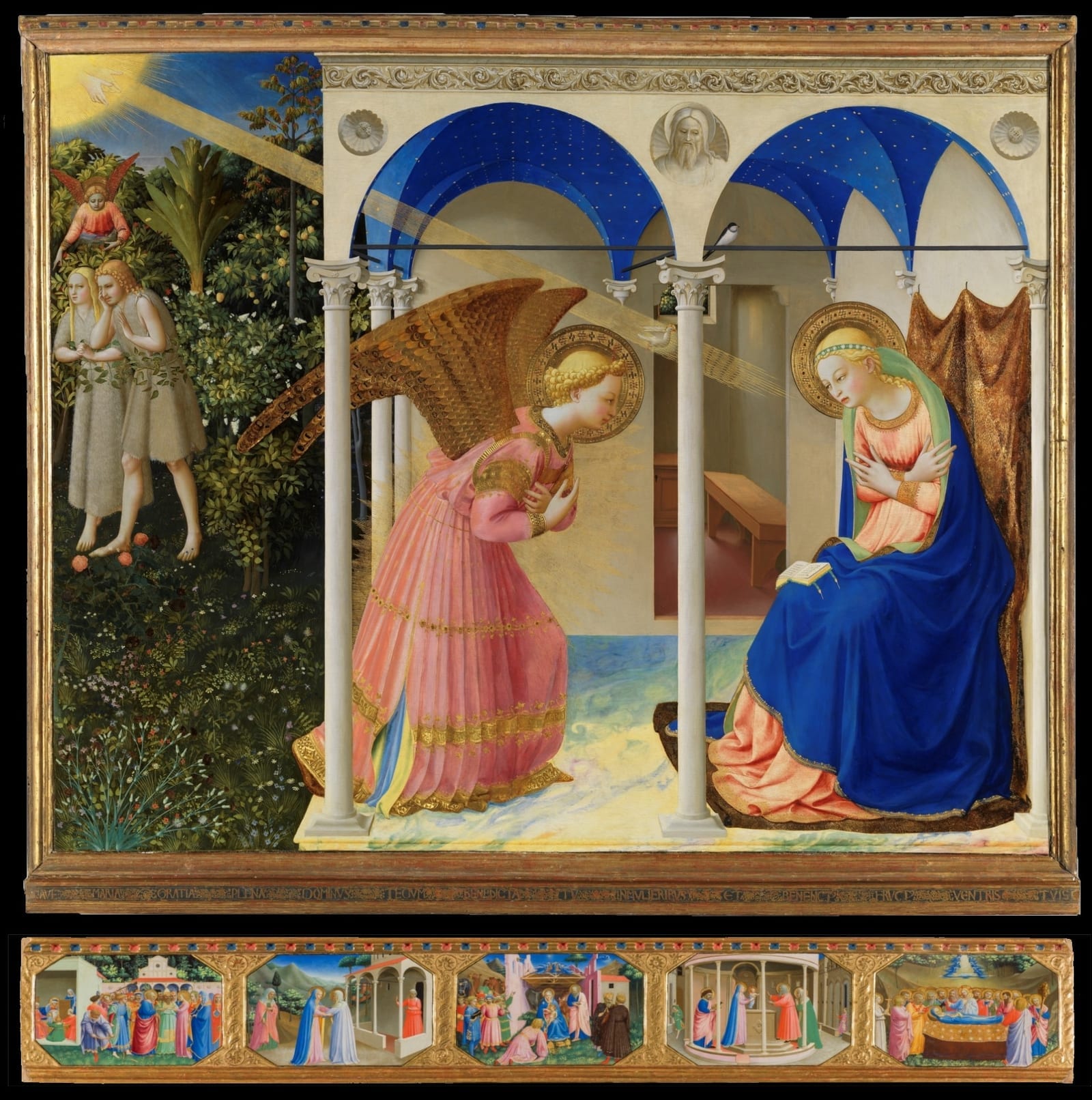
In Eden God promises that the offspring of the woman will crush the serpent's head; Christ, born of a woman, destroys the devil's works.
Foretold
Fulfilled
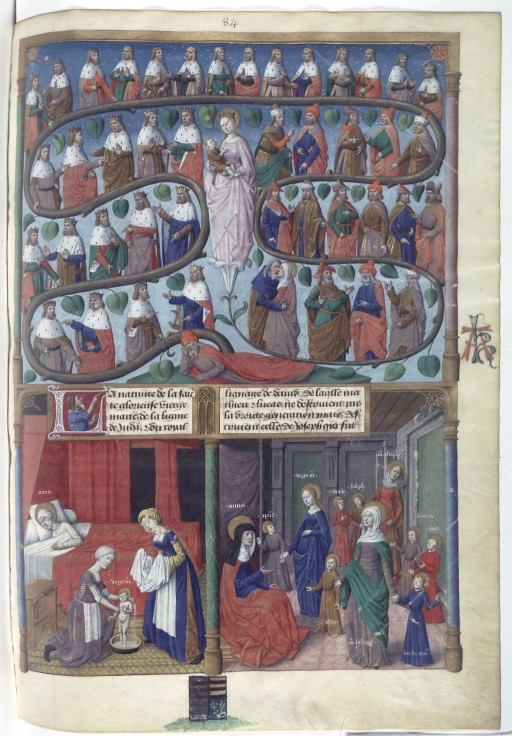
The line narrowed across two thousand years: the seed of the woman, of Shem, of Abraham, Isaac and Jacob, of Judah, of Jesse and David — a king, a prophet like Moses, a priest after the order of Melchisedech.
In Eden God promises that the offspring of the woman will crush the serpent's head; Christ, born of a woman, destroys the devil's works.
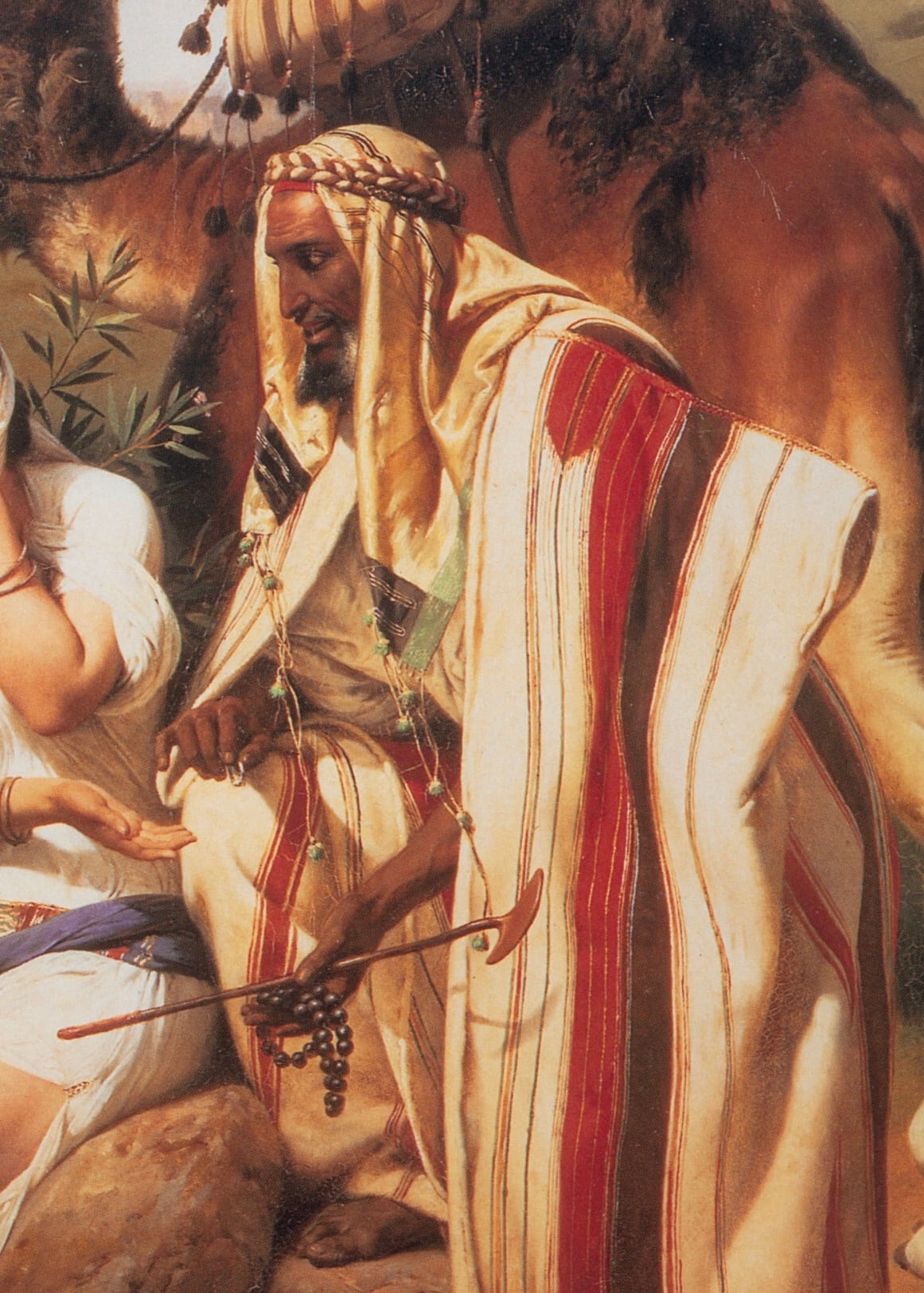
Noah's blessing that God would dwell in the tents of Shem is read as the first narrowing of the messianic line, fulfilled when the Word tabernacled among Shem's descendants.
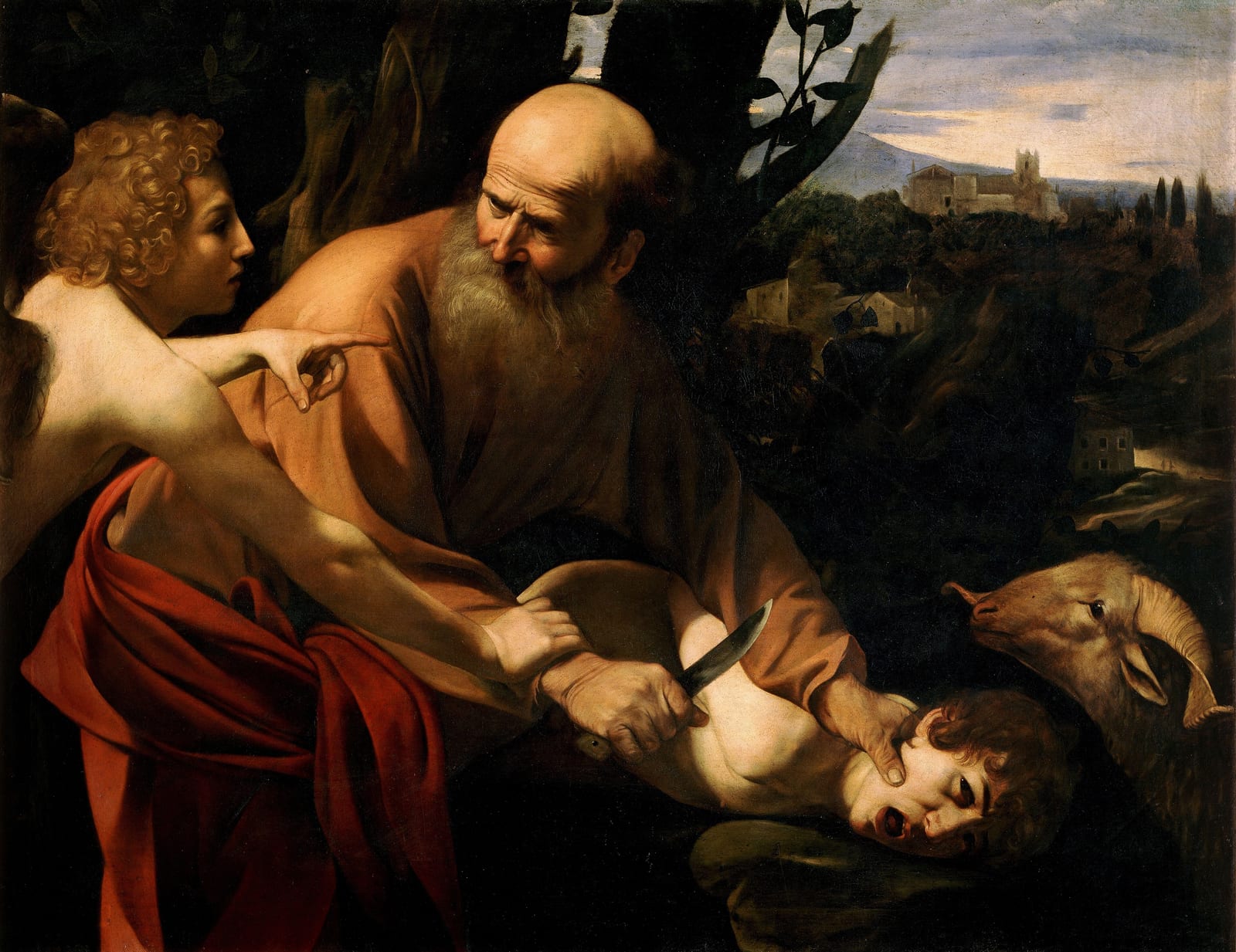
God swears to Abraham that in his seed all the nations of the earth will be blessed; Paul identifies that singular seed as Christ.
Of Abraham's sons, the covenant is fixed on Isaac ('in Isaac shall thy seed be called'); Jesus' genealogy runs through him.
The blessing passes to Jacob, from whom a ruler is promised; Jesus descends from Jacob and reigns over the house of Jacob for ever.
Jacob foretells that rule will remain with Judah until 'he come to whom it belongs', the expectation of nations; Christ springs from Judah as the Lion of that tribe.
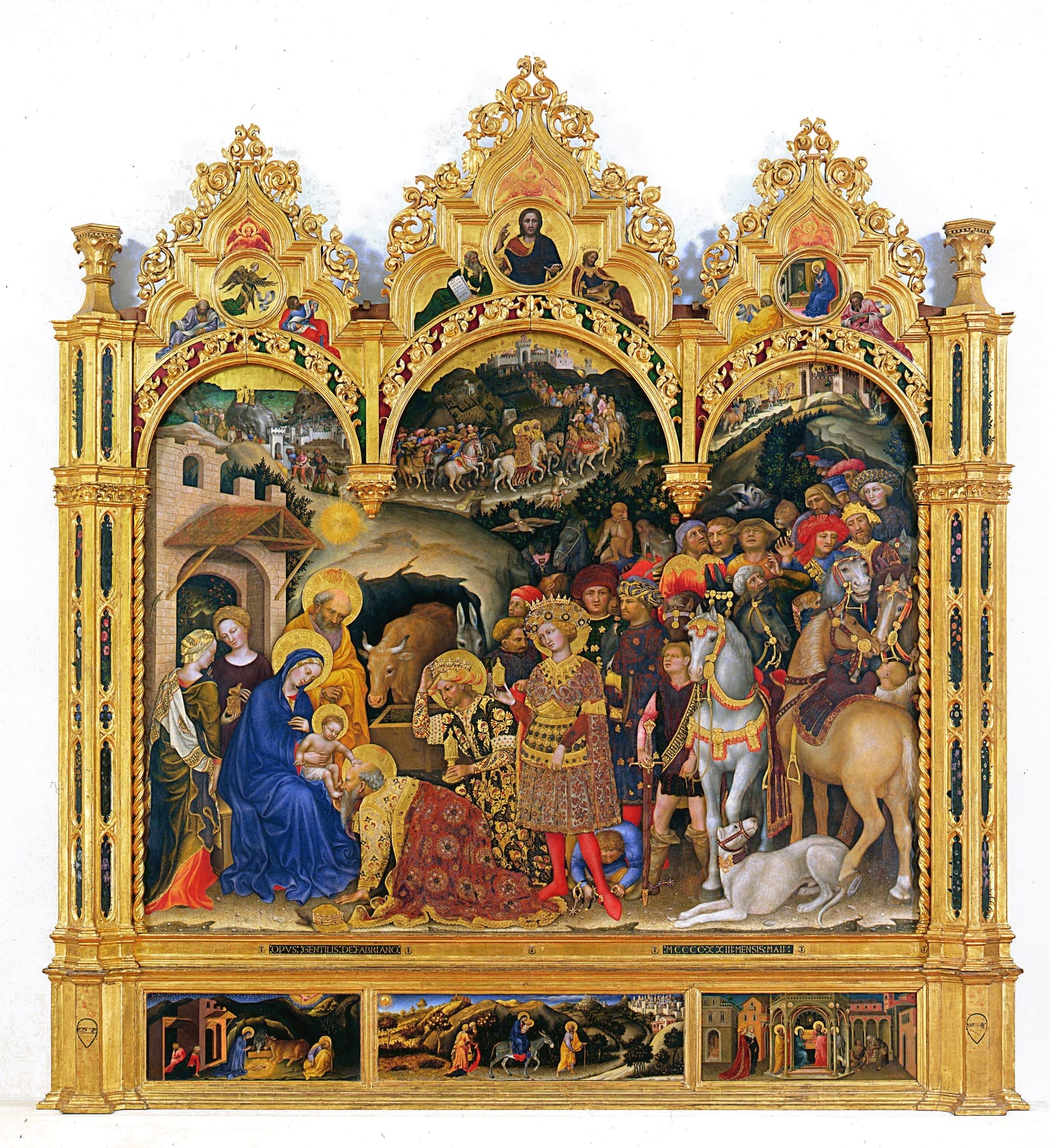
Balaam foresees a star rising from Jacob and a sceptre from Israel; the Magi follow his star to the newborn king, who calls himself the bright morning star.
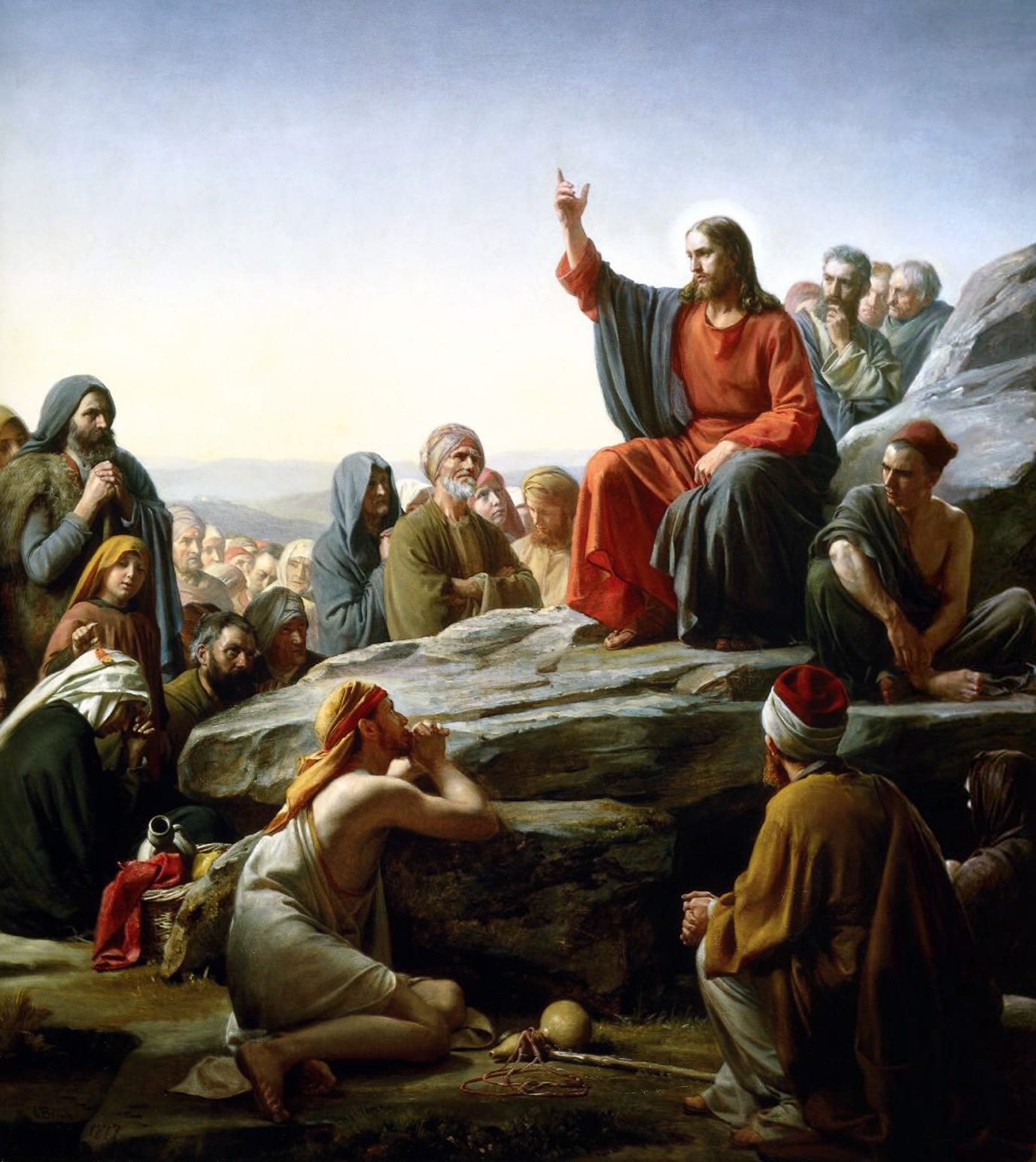
Moses promises that God will raise up from Israel a prophet like himself whom all must hear; the crowds and the apostles identify Jesus as 'that prophet'.
A shoot (netzer) springs from the stump of Jesse and a righteous Branch is raised up to David; Jesus, son of David, is the Root of Jesse to whom the Gentiles turn.
God swears to David that his seed will sit on his throne for ever; Gabriel announces that Jesus will receive the throne of David his father and reign without end.
The psalmist promises that God will make a horn to bud for David; Zechariah blesses God for raising up 'a horn of salvation for us in the house of David his servant'.
The promised Davidic ruler is to shepherd Israel as David did; Matthew's Bethlehem quotation fuses Micah with the words spoken to David, and Jesus calls himself the Good Shepherd.
David calls his own descendant 'my Lord' who sits at God's right hand; Jesus poses this riddle to the Pharisees, and Peter preaches it at Pentecost.
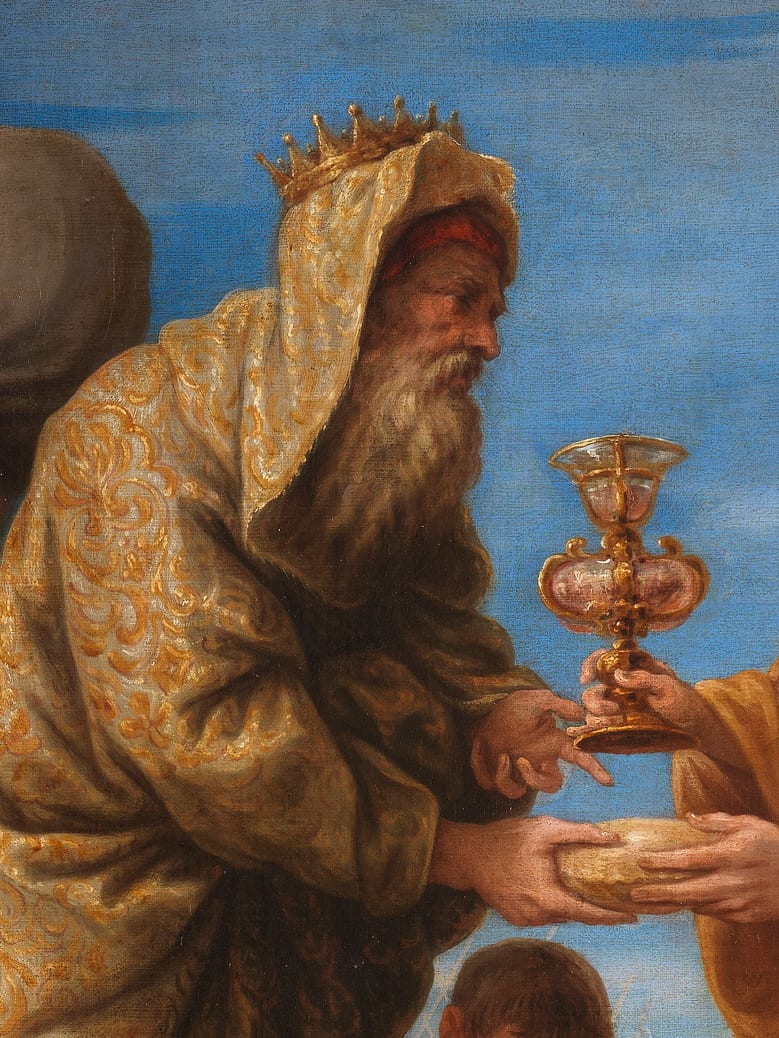
The Davidic Lord of Psalm 110 is sworn a priest for ever, not of Aaron's line but of Melchisedech's; Hebrews applies the oath to Christ, whose offering of bread and wine Melchisedech prefigured.