Born of a virgin
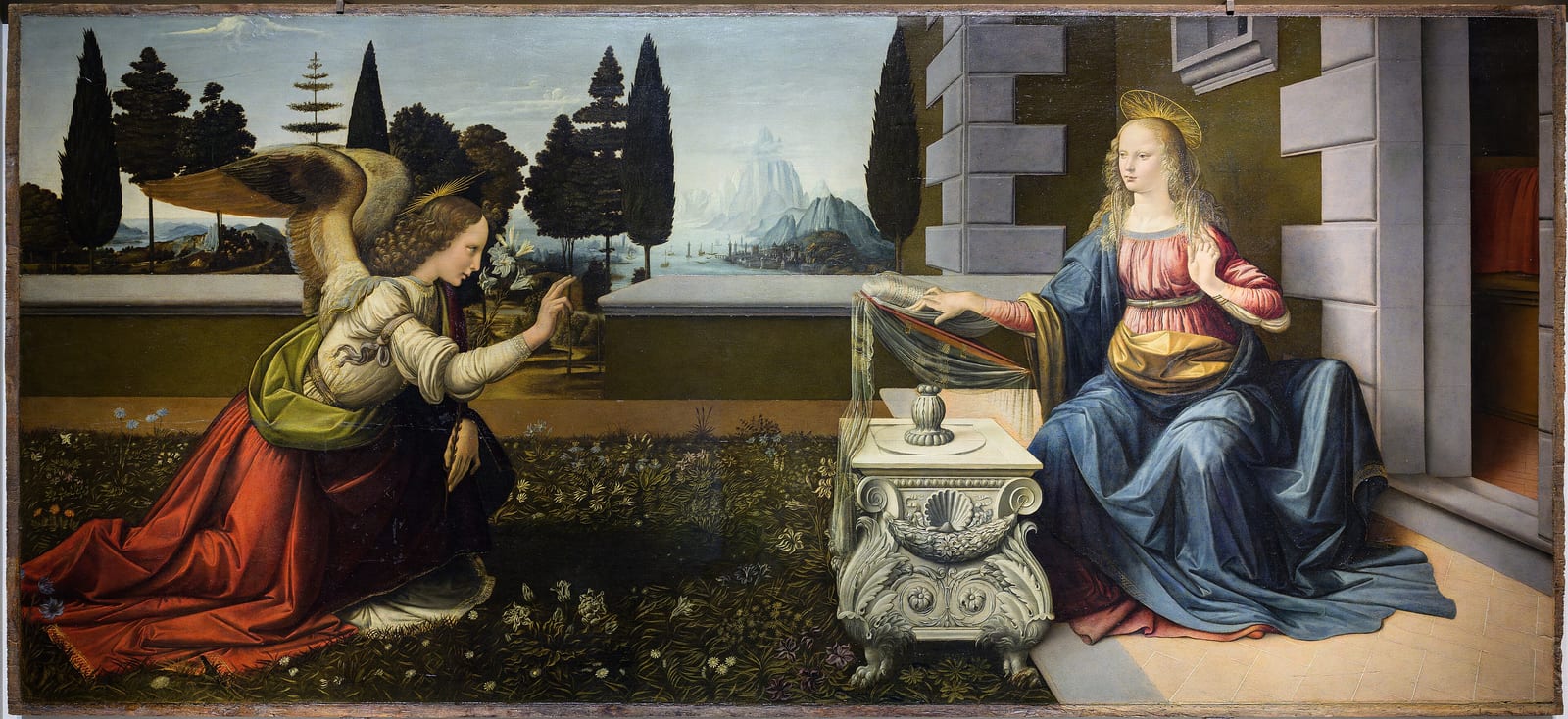
Isaiah gives the house of David the sign that a virgin will conceive and bear a son; Matthew and Luke record Jesus' virginal conception by the Holy Spirit.
Foretold
Fulfilled
How and where and when he would come: born of a virgin, in Bethlehem, a king to whom kings bring gifts, called out of Egypt, a Nazarene, coming to his temple in the time Daniel numbered.
Isaiah gives the house of David the sign that a virgin will conceive and bear a son; Matthew and Luke record Jesus' virginal conception by the Holy Spirit.
The virgin's son is named Emmanuel, and Isaiah calls Judah 'thy land, O Emmanuel'; Matthew reads the name fulfilled in Jesus, in whom God dwells among his people.
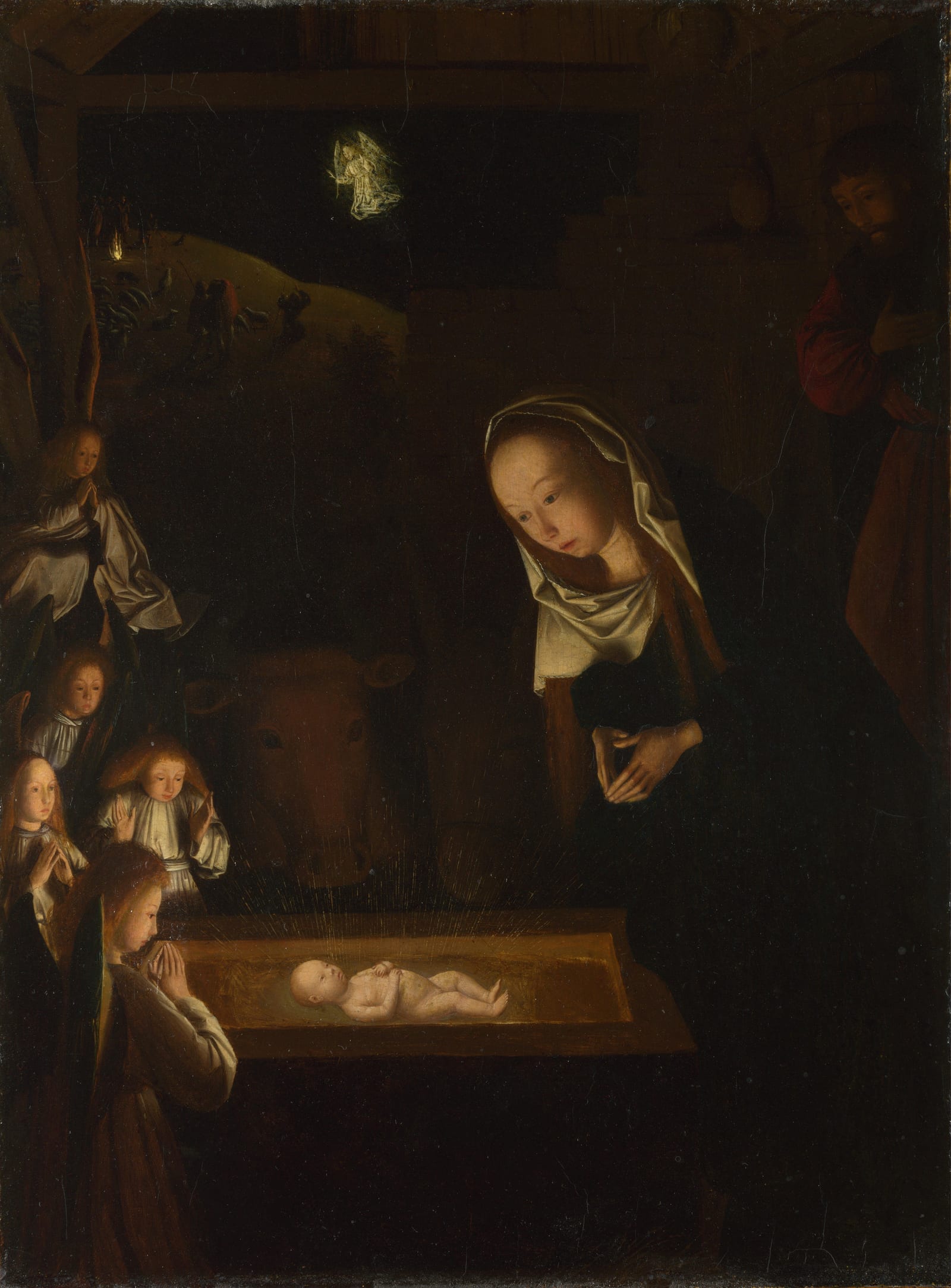
Micah, just after naming Bethlehem, says Israel is given up until she who is in labour brings forth; the Virgin of Isaiah 7:14 brings forth her firstborn at Bethlehem.
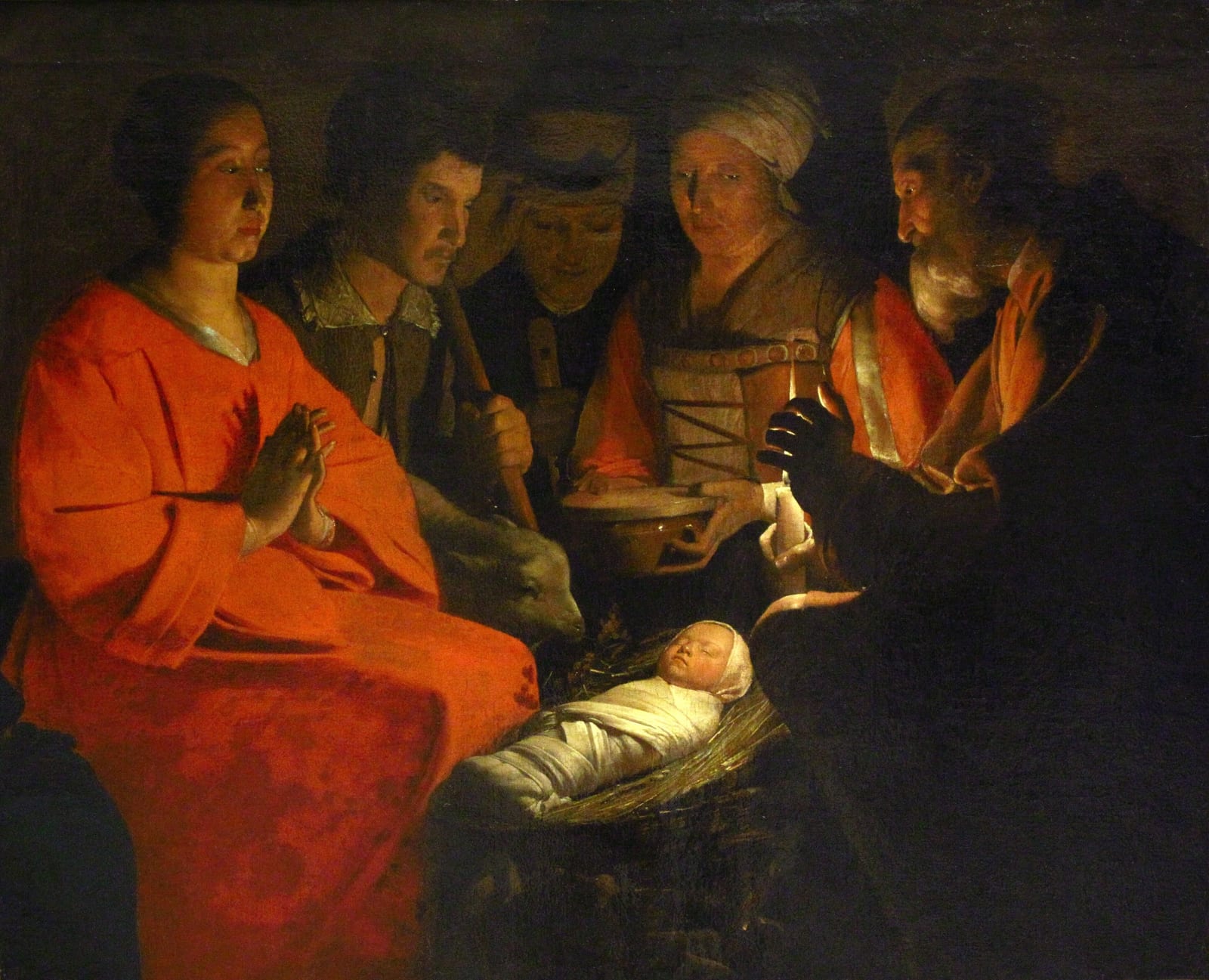
Micah names little Bethlehem Ephrata, David's town, as the birthplace of the ruler of Israel; Jesus is born there, and the chief priests cite the verse to Herod.
Micah promises that dominion will come to Migdal Eder, the 'tower of the flock' where Jacob camped beyond Bethlehem; the Messiah's birth is first announced to shepherds keeping flocks in those fields.
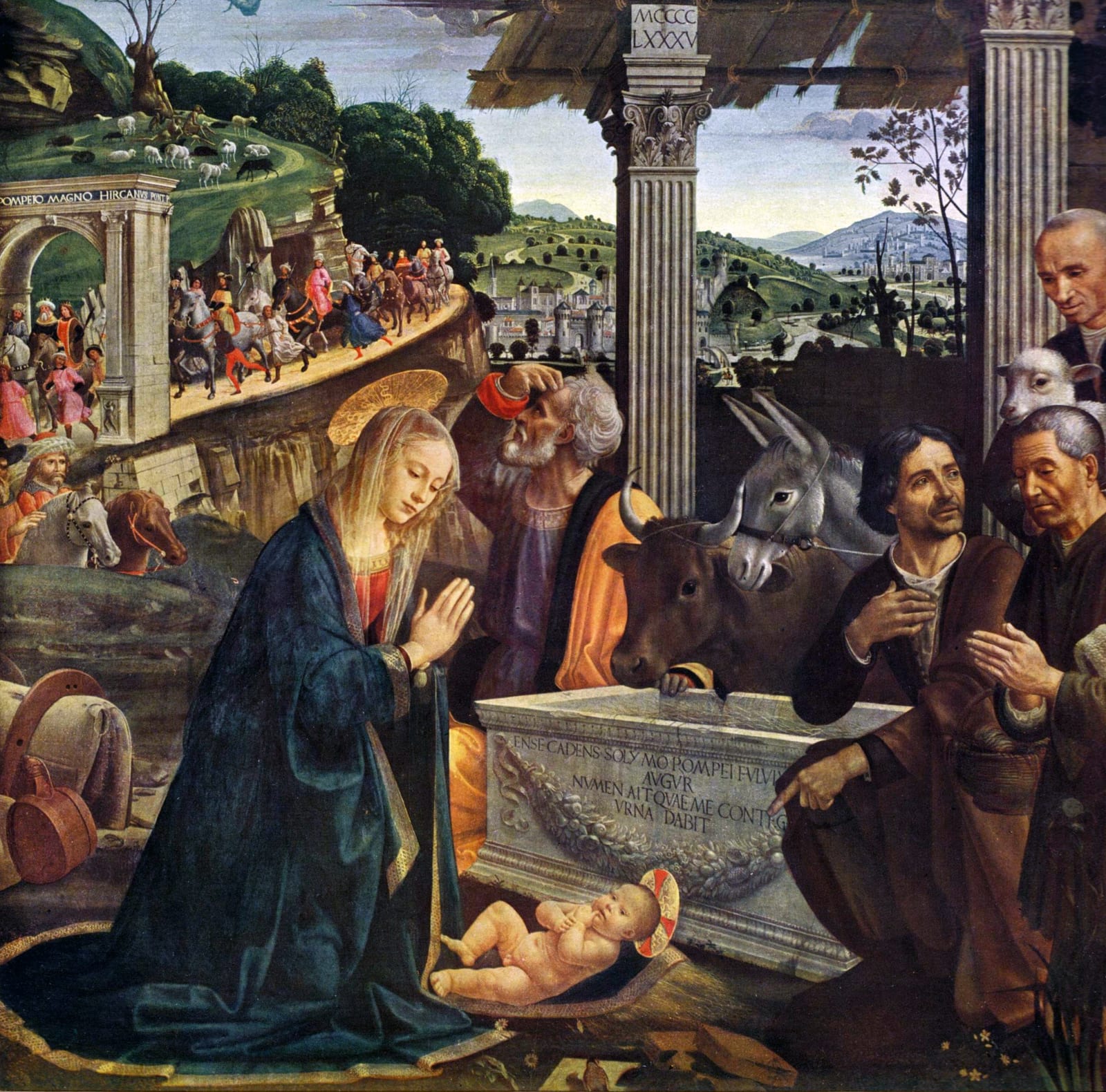
Isaiah's reproach that the ox knows its owner and the ass its master's crib was read by the Fathers of the manger at Bethlehem, where beasts acknowledged the Lord whom Israel's rulers ignored.
The prophets foretell a king set by God upon Zion, reigning in justice; the Magi ask for 'him that is born king of the Jews', and Jesus affirms his kingship before Pilate.
The psalmist and Isaiah foresee kings of Sheba and the nations offering gold and incense to Israel's king; the Magi open their treasures of gold, frankincense and myrrh before the Child.
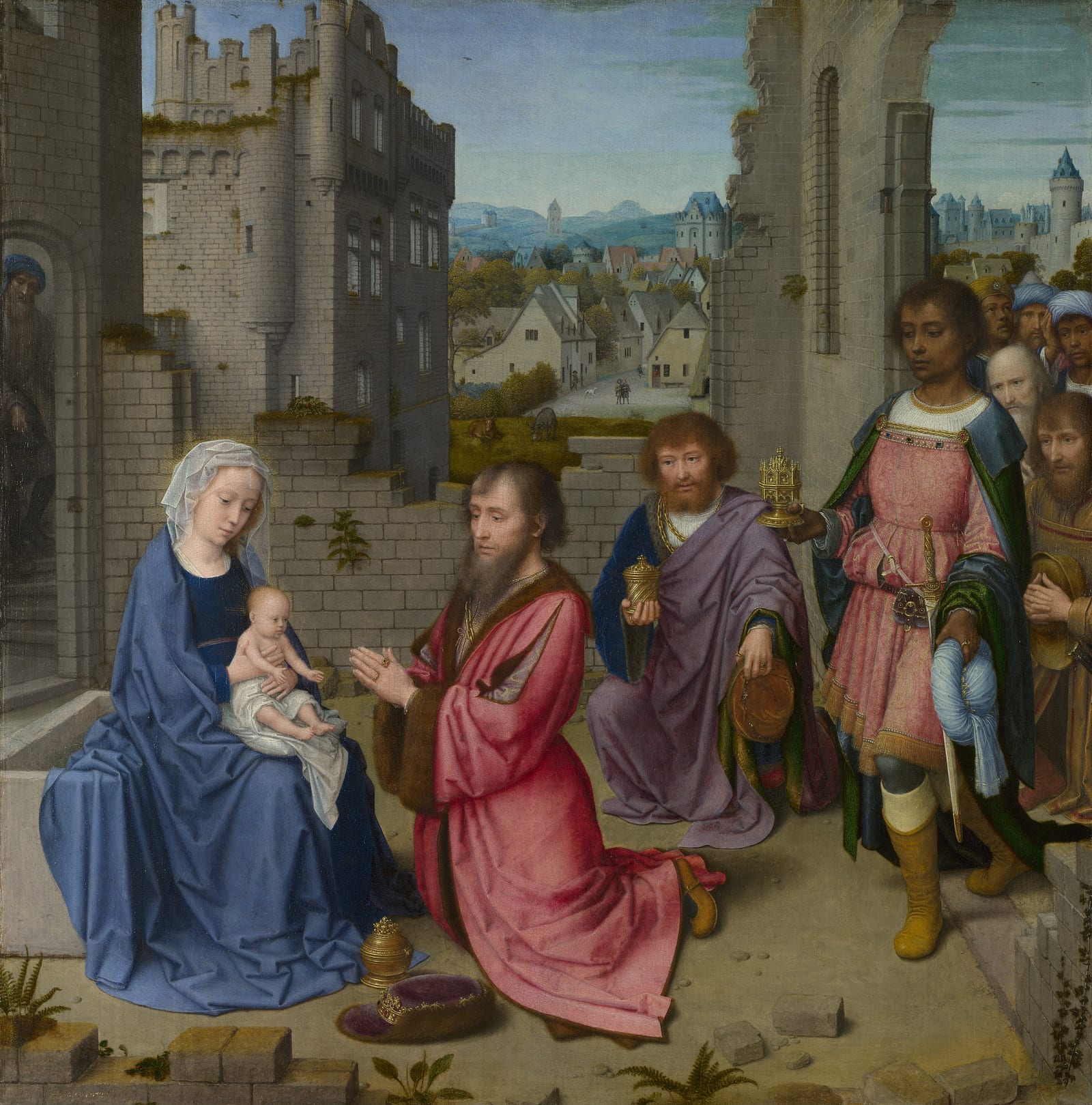
The Servant is given as a light to the nations and the Gentiles come to his rising; Simeon hails the infant as 'a light to the revelation of the Gentiles', and the Magi are the first of those nations.
Psalm 2 opens with rulers conspiring against the Lord and his Christ; Herod, troubled at the Magi's news, seeks the Child's life, and the apostles read the psalm of the powers arrayed against Jesus.
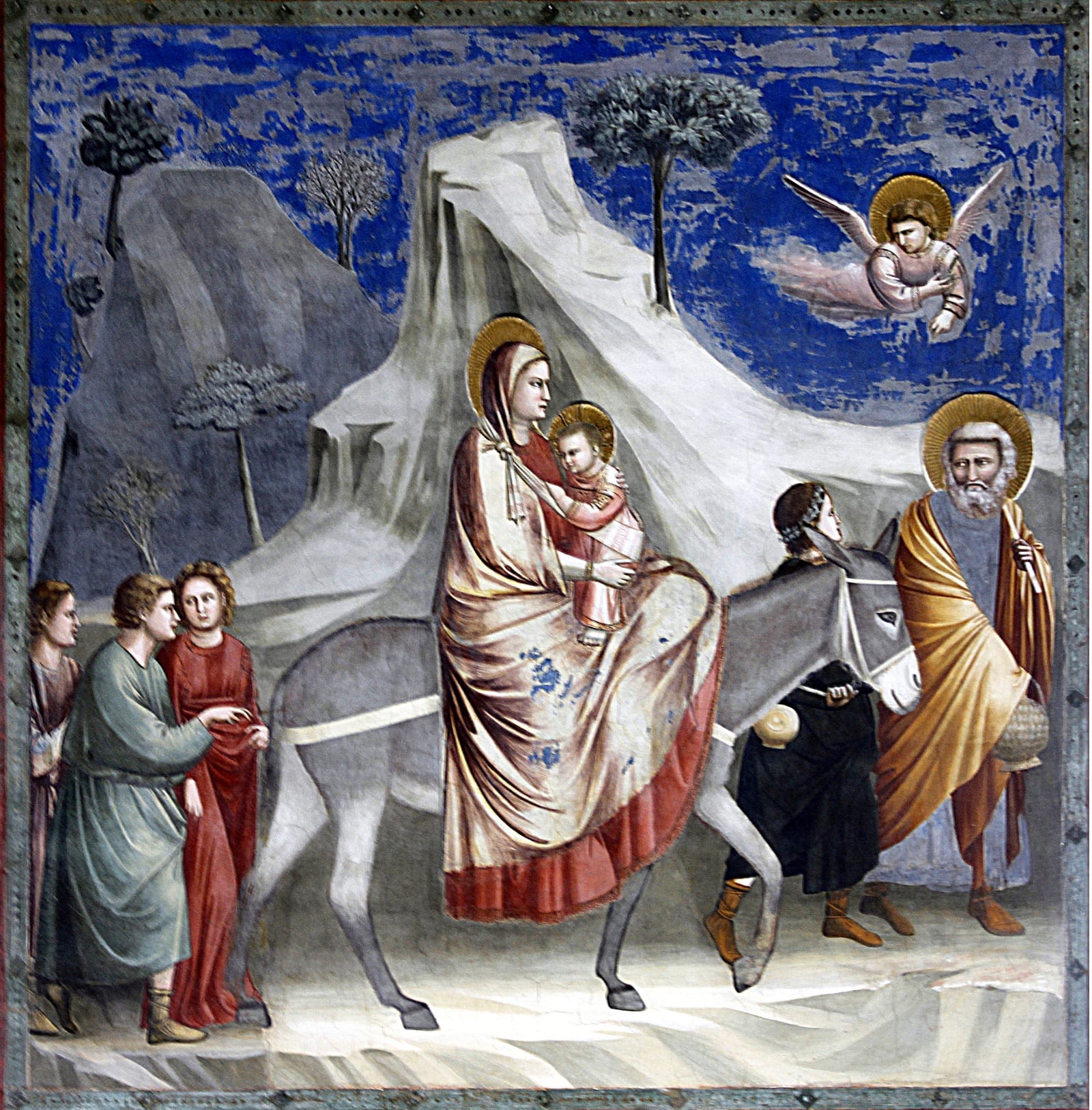
Hosea recalls that God called his son Israel out of Egypt; Matthew sees the words fulfilled when the Holy Family returns from Egypt with the Child, Israel's story relived in Israel's Messiah.
Jeremiah hears Rachel weeping in Ramah for her lost children; Matthew hears her again when Herod slaughters the infants of Bethlehem, the town beside Rachel's tomb.
Matthew says the prophets foretold the Messiah would be called a Nazarene; the Holy Family settles in Nazareth, and Jesus is known by that despised town's name.
Isaiah says the Emmanuel child will eat curds and honey and learn to refuse evil and choose good, and that the Spirit of wisdom and fear of the Lord will rest on Jesse's shoot; Luke records that Jesus advanced in wisdom, age and grace.
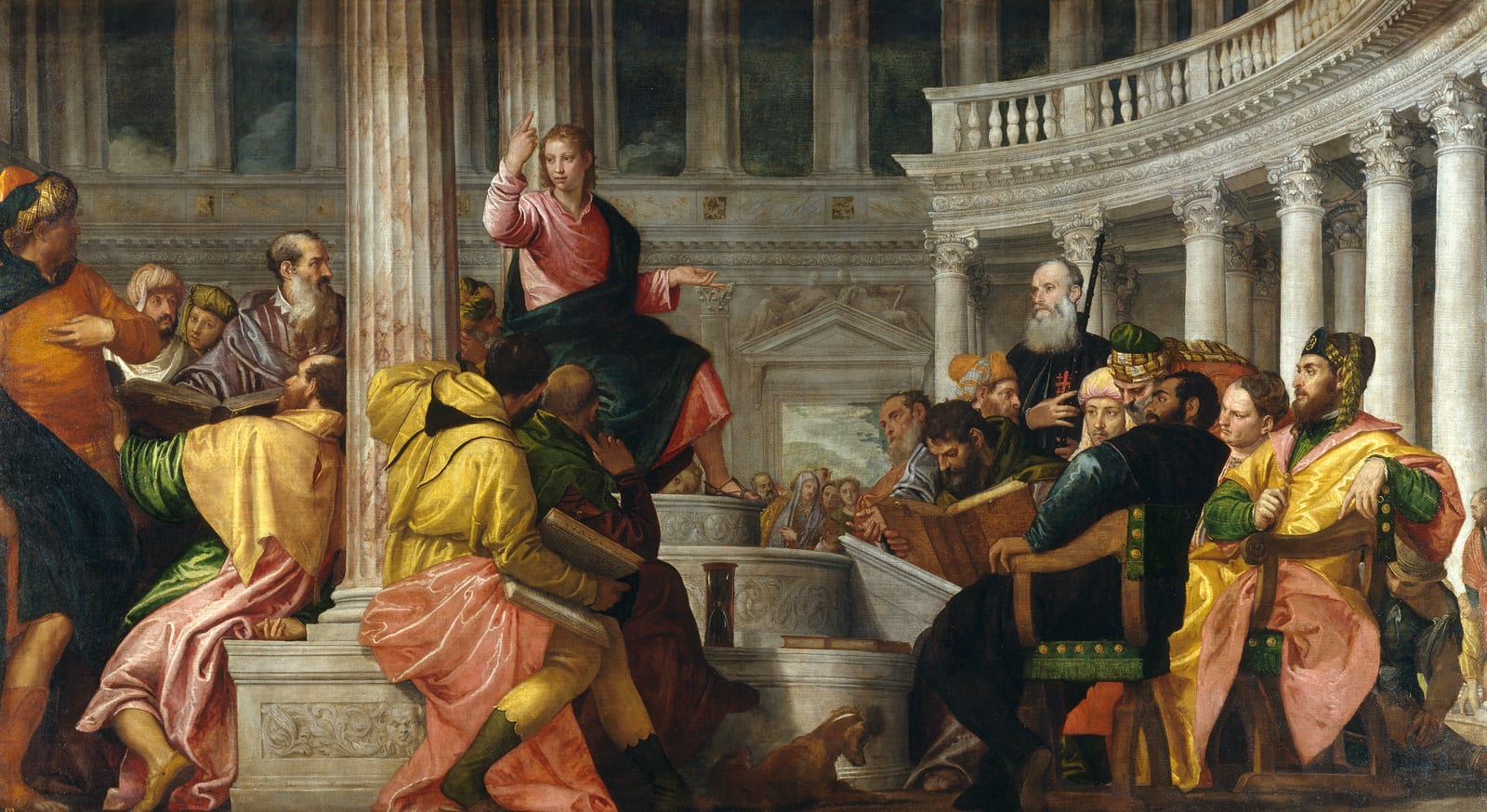
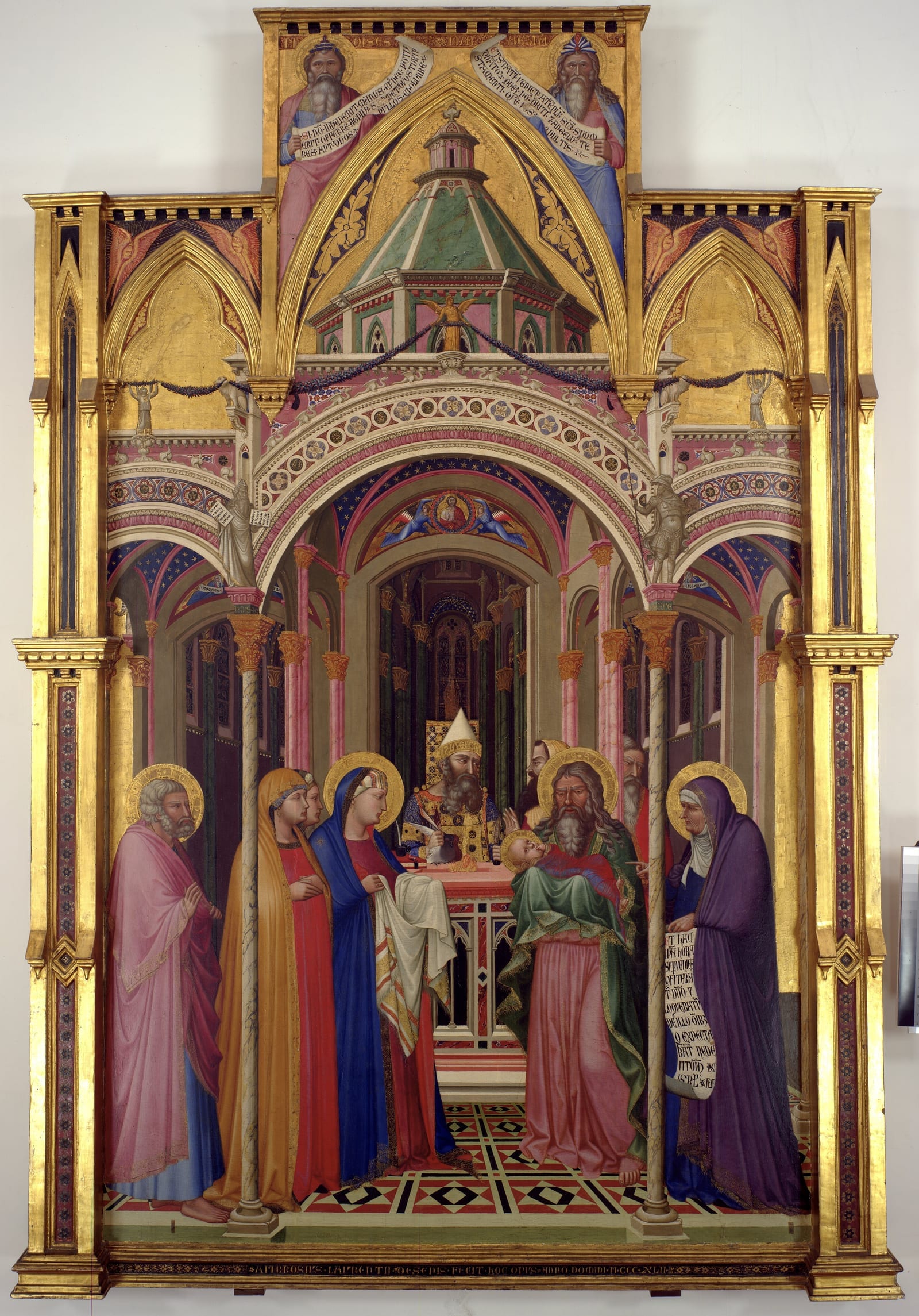
Malachi foretells that the Lord whom Israel seeks will suddenly come to his temple; forty days after his birth Jesus is carried into the Temple and recognized by Simeon and Anna.
Isaiah promises that God will comfort his people and redeem Jerusalem; Simeon waits for 'the consolation of Israel' and Anna speaks of the Child to all who look for the redemption of Jerusalem.
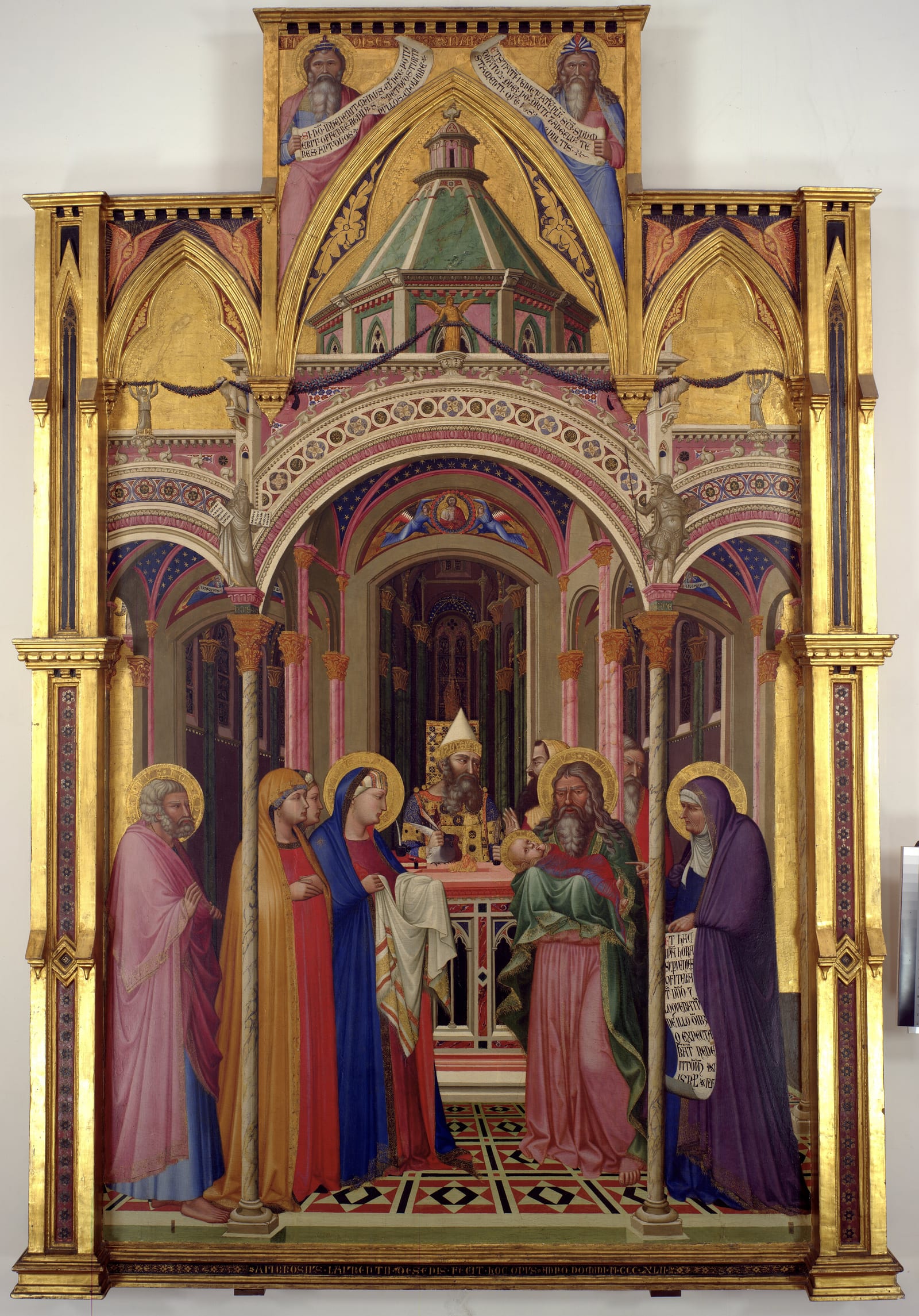
Haggai promises that the Desired of all nations will come and fill the rebuilt Temple with a glory surpassing Solomon's; the Messiah entered that second Temple before its destruction in AD 70.
Gabriel tells Daniel that seventy weeks of years run from the decree to rebuild Jerusalem until Messiah the prince, who is then cut off; the Gospels date Jesus' coming to a time of heightened messianic expectation under Rome.
Daniel sees a stone cut without hands strike the statue's iron-and-clay feet and become a mountain, a kingdom God raises 'in the days of those kings'; Jesus is born under Caesar Augustus and proclaims the kingdom of God at hand.
The prophets foresee the Messiah springing from a felled stump, a tender shoot in dry ground, raising David's collapsed house; Jesus is born in a stable to a poor family that offers the sacrifice of the poor.
The Book of Wisdom describes God's almighty Word leaping from his royal throne in the midst of the night's silence; the Church's Christmas liturgy applies it to the Incarnation, when the Word became flesh and was announced by night to shepherds.
Baruch says of God, who gave Wisdom to Jacob, that afterwards he was seen on earth and conversed with men; the Fathers read this of the Incarnation, and John testifies to what was seen and handled of the Word of life.